
Sabine Marcelis
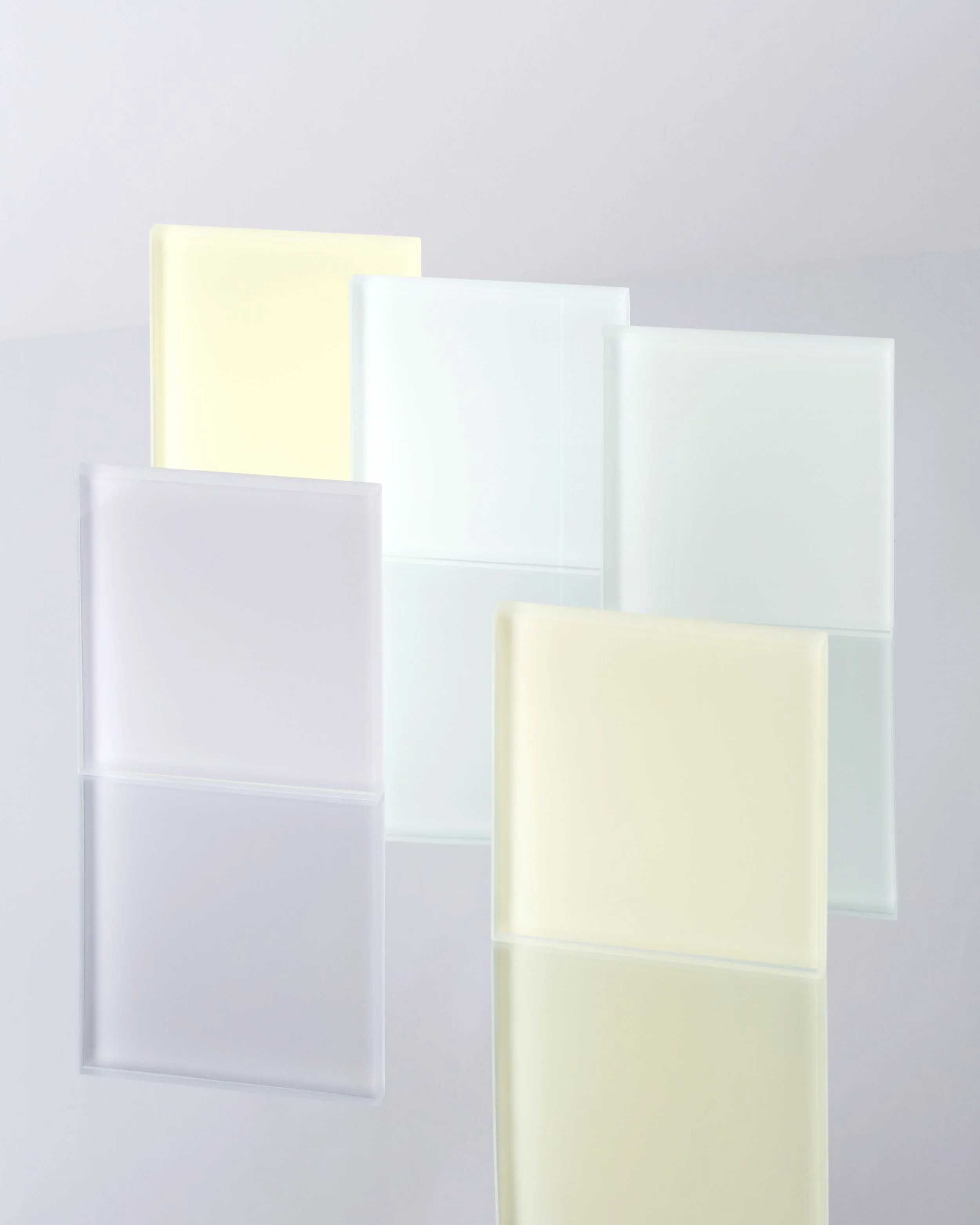
This interview highlights the new tile collection by Blēo, created in collaboration with Sabine Marcelis.
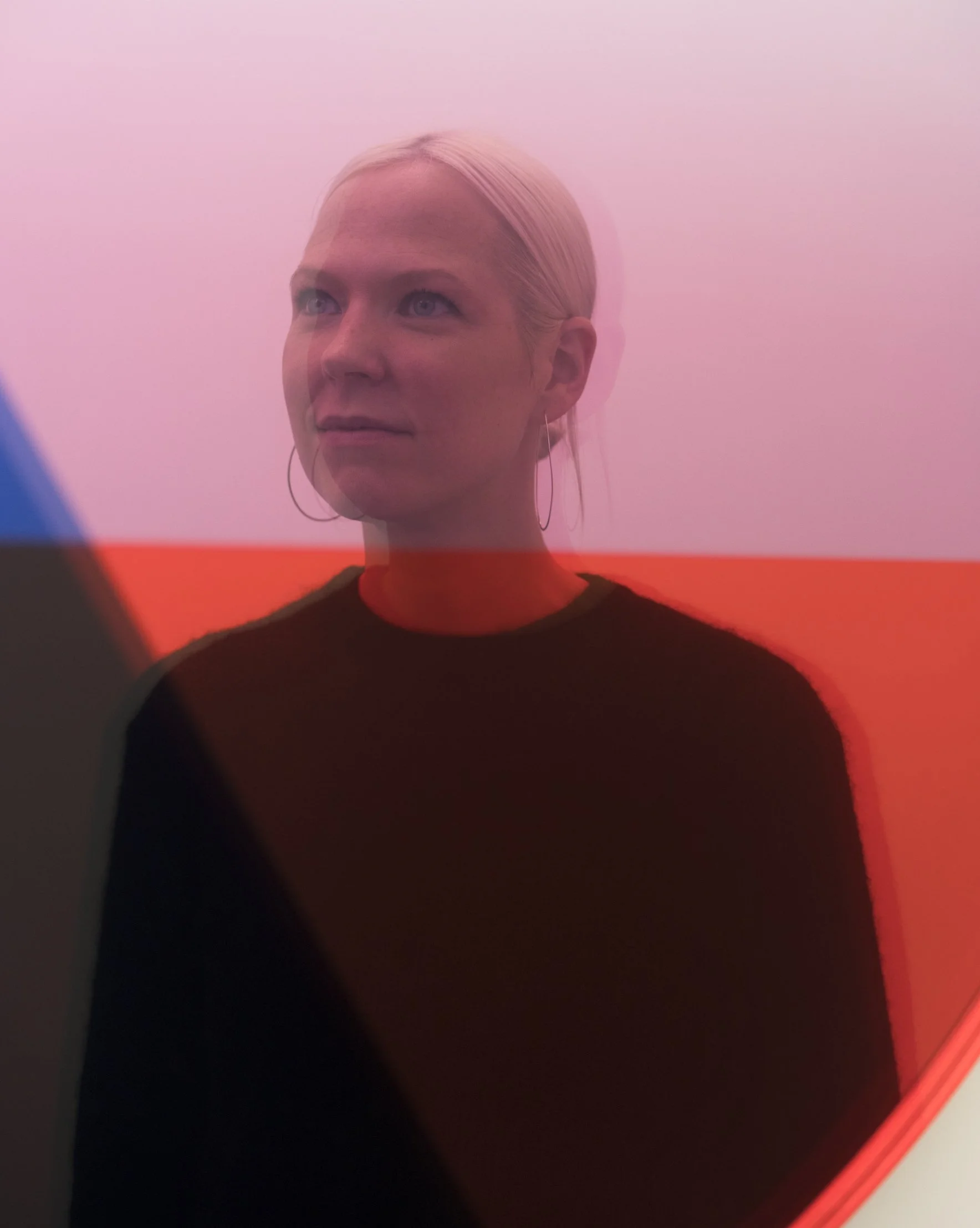
Sabine Marcelis, renowned for her precise explorations of light, color, and material, has created a new glass tile collection for Danish colour and surfaces studio Blēo. To mark the launch, we spoke with the designer about her fascination with glass, the power of colour, and the making of the collection.
© Cleo Goossens
#1 Your collaboration with Blēo translates glass - usually perceived as a boundary element into a tactile, architectural surface. How does shifting glass from a spatial divider to a material of inhabitation alter your understanding of what a surface can do?
I think a surface should do more than cover a wall; it can boldly (or subtly) transform how you experience a space, and glass allows that through depth, reflection and colour. The two finishes of the tiles completely transform how you perceive the colour of the glass tiles and in turn the perception of the space they inhabit.
#2 Regarding the development of the tiles’ color spectrum, are there emotional or atmospheric narratives behind it?
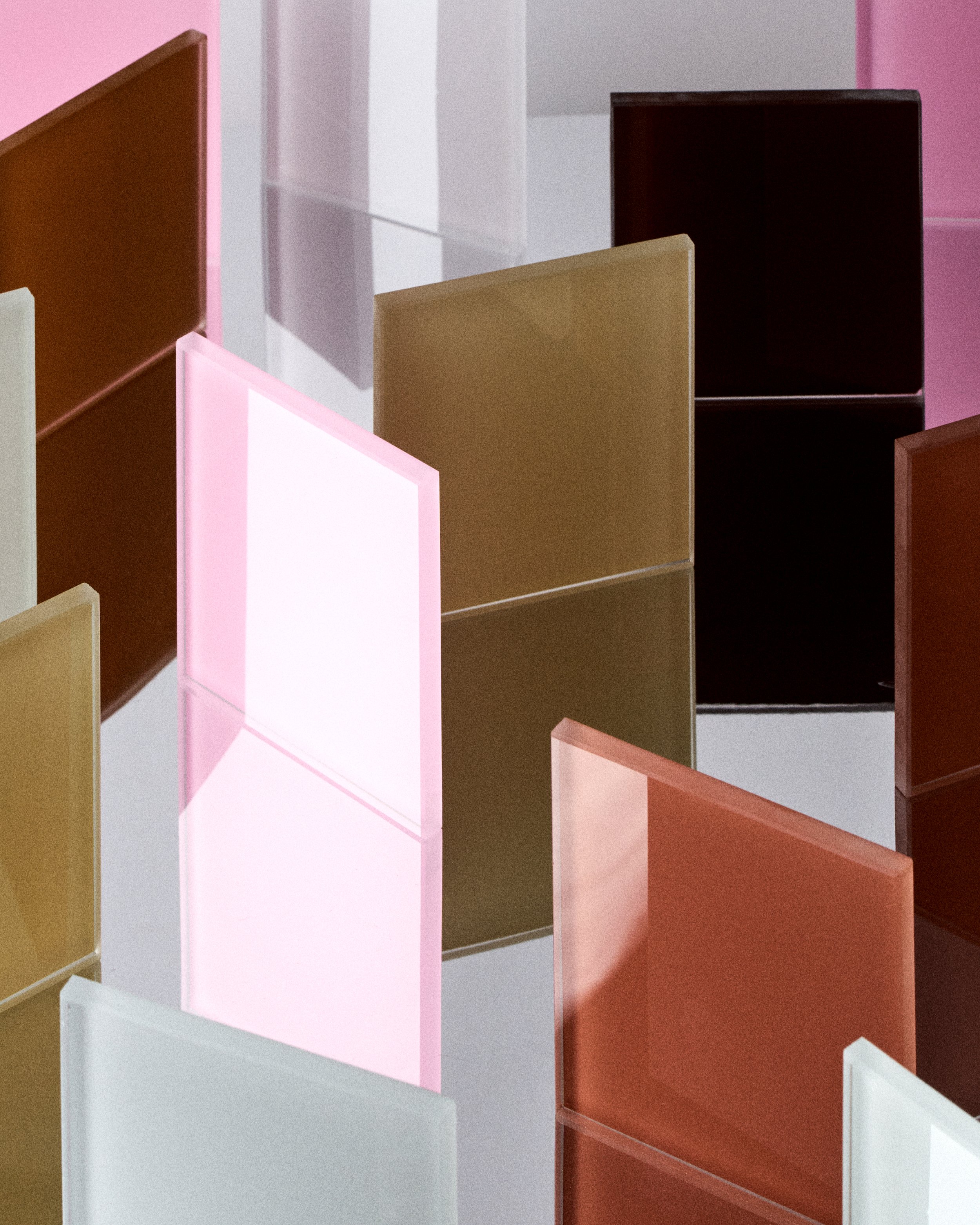
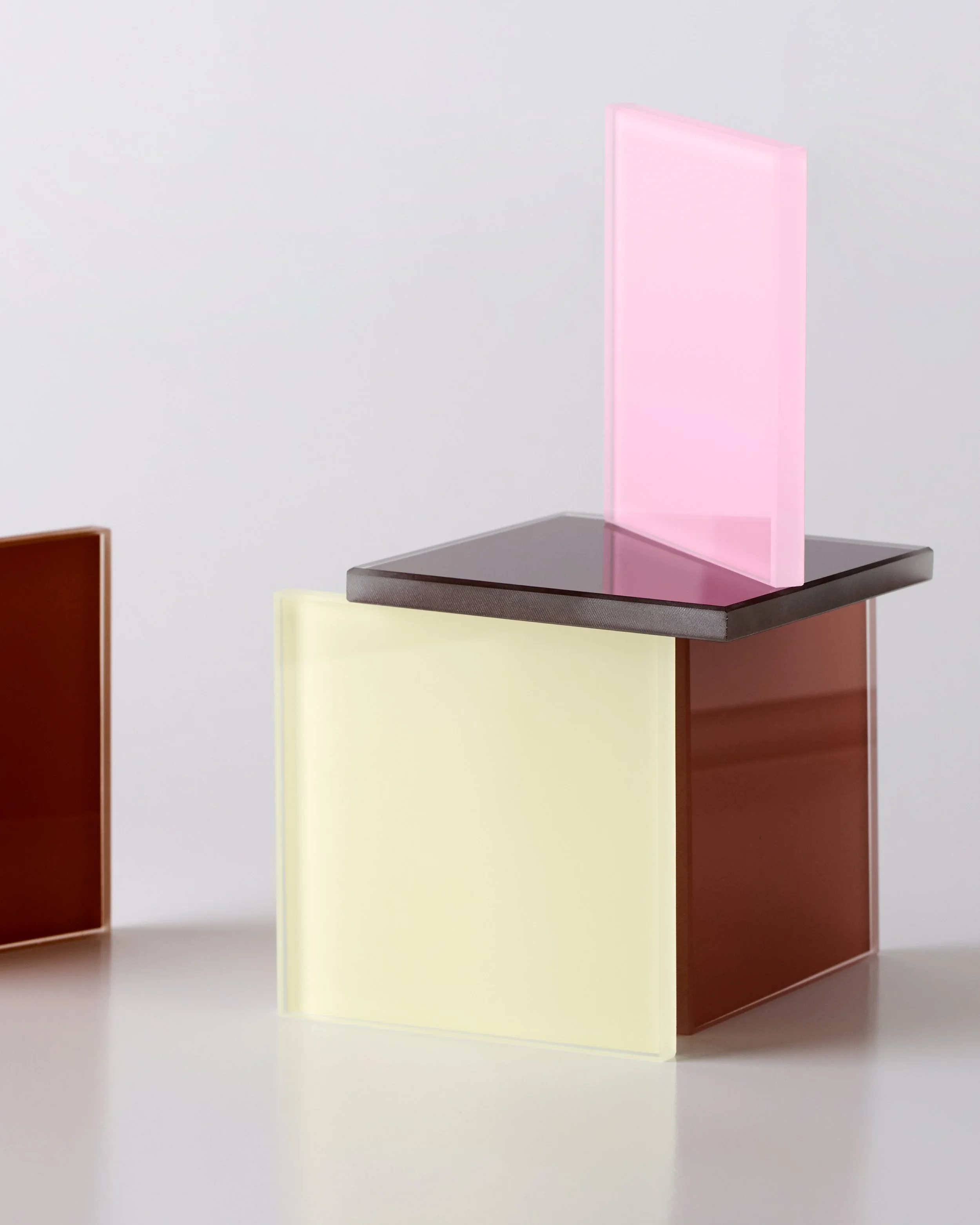
Both! Colour is always a tool for emotion in my work. With these tiles, the palette is a collection of colours I often turn to in my work. Warm and vibrant in its core but with some accent colours to play with. I wanted a family of colours that can feel uplifting and joyful, but also serene when used in large areas. Some shades are almost candy-like and playful, others are very soft and diffused. Together they allow you to tune a space from quiet to energetic without it ever becoming aggressive.
© Blēo
#3 How did the tile format offer a new interaction with light?
The scale of tiles allows for a more architectural language of light. In my sculptural work, light often becomes an immediate protagonist. With tiles, it becomes more diffused and subtle — it moves across the surface, catches the edges, pools in the glossy finish or softens in the satin. It’s less about spectacle and more about atmosphere. That quietness felt new and very interesting to explore.
#4 The collection feels rooted in both contemporary design language and a sense of craft. How do you think about this tension between the engineered and the handmade, between precision and softness, in relation to glass?
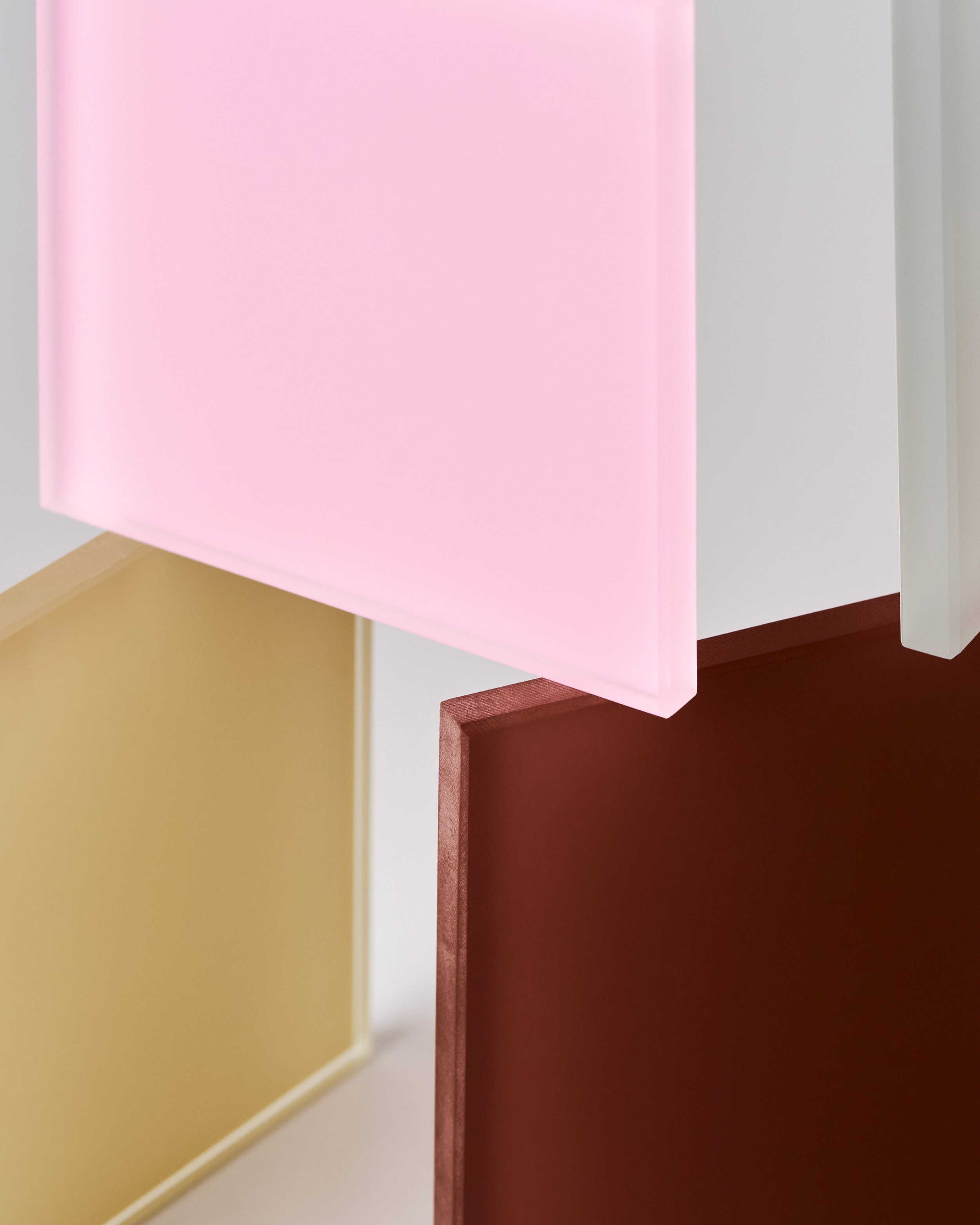
Glass sits between the engineered and the handmade in a very natural way. The colour application is extremely precise, yet the material always keeps its own character. It reflects, refracts, sometimes reveals imperfections — which I love, because those moments bring softness. For me, the beauty is in that tension: perfect clarity with a hint of unpredictability.
© Blēo
#5 How did Blēo’s identity influence the development of the tiles?
Blēo has such a strong sensibility for colour and surfaces, so the starting point was very aligned. We spoke a lot about how colour lives in space, not as a coating but as a material experience. The experiments were mostly around depth, how much translucency, how much gloss, how much saturation the glass could hold without becoming too much. The process was very collaborative, Anne and I pinging messages back and forth. Our shared obsession with tone made it feel very natural and easy.
#6 At a time when architectural surfaces often aim for neutrality, your work embraces presence and sensoriality. What potentials do you see in reintroducing expressive, materially honest surfaces into architecture?
I think there’s a real appetite for surfaces that do more than hide construction. When materials are honest — when they communicate how they hold light, how they feel, they can make architecture warmer and more human. Expressive doesn’t mean overwhelming; it can simply mean allowing a material to be itself. Glass has that potential because it’s both strong and delicate, clear yet emotional.
#7 How do you see the role of an architect in today's society?
To create functional environments that support well-being. That can be through light, circulation, materiality… but ultimately it’s about improving how people feel in a space.

© Blēo
#8 How does your environment influence your work?
Rotterdam is rough, industrial, always in motion. My studio is in the middle of a busy industrial zone, almost like a little oasis. I love the contrast of working in a very calm, light, clean space while everything else is going on outside. Almost everything I’ve ever designed I’ve been able to produce in and around the city. There is so much production and industry here - it has always very much shaped how I work.
#9 Three things that inspire you at the moment?
My kids
New developments in recycled and circular materials
Light and colour (always!)
#10 What do you currently read, watch, listen to?
Im a sucker for podcast. Crime, scam stories and above all scientific ones that explain the ways and workings of the world. I’ve always been a nerd in that sense. Growing up, Discovery channel’s ‘how its made’ was my favourite ever program.
© Nicole Huisman
This interview is not sponsored.
Interview by Caroline Steffen, Photos by © Cleo Goossens, © Nicole Huisman and © Blēo