
Stand van Zaken
This interview was conducted during the Paraply Summer School in Copenhagen, August 2025.
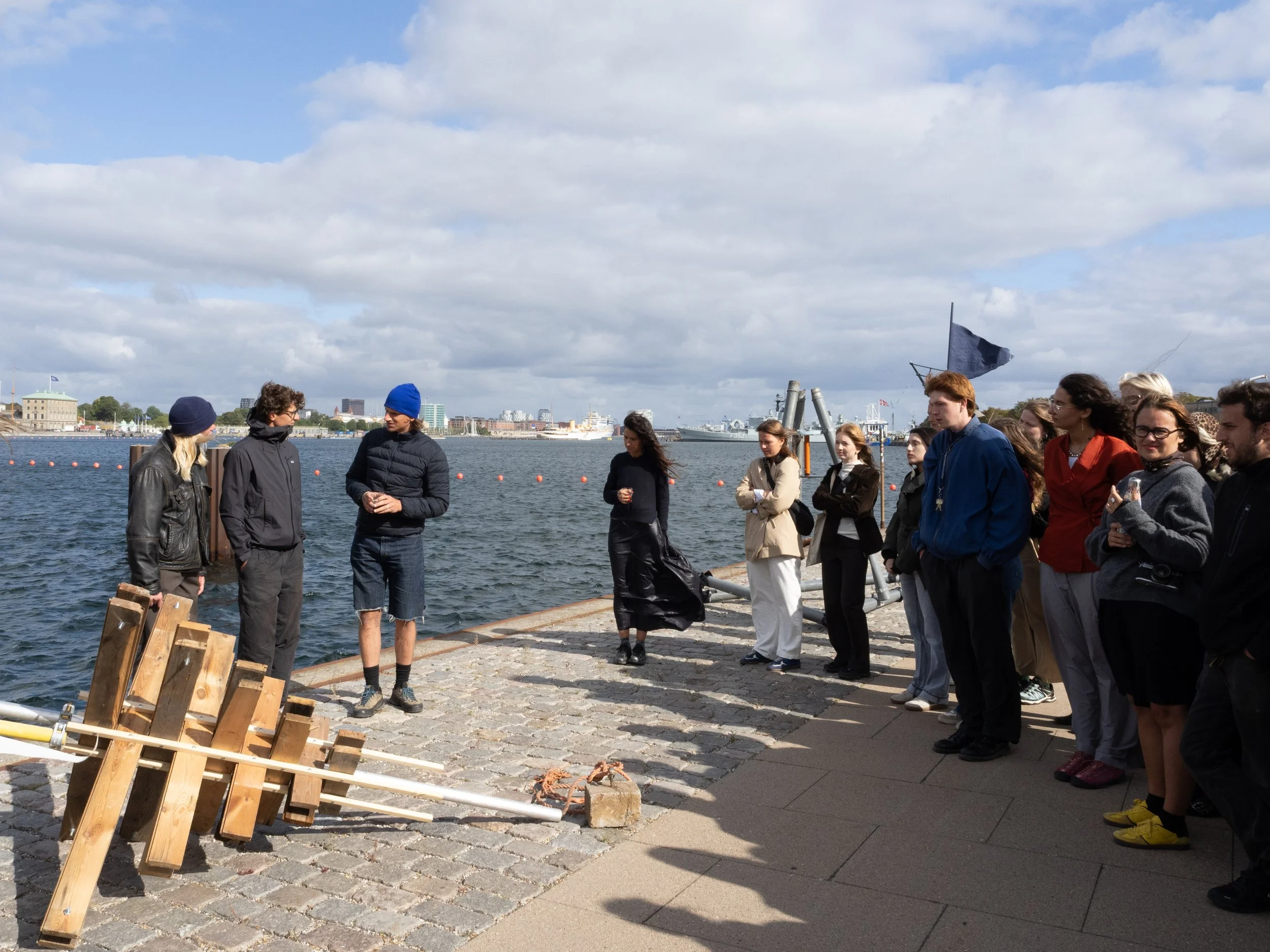
This summer, Stefanie Everaert and Theo de Meyer — the duo behind Stand van Zaken — led one of the workshops at this year’s Paraply Summer School in Copenhagen. During a lunch break, we sat down together over iced coffee (you can hear the clinking of ice cubes in the recording, instantly transporting me back to those warm summer days by the water). We talked about their practice, their approach to making and teaching, the work they developed with the students, and the values that guide them.
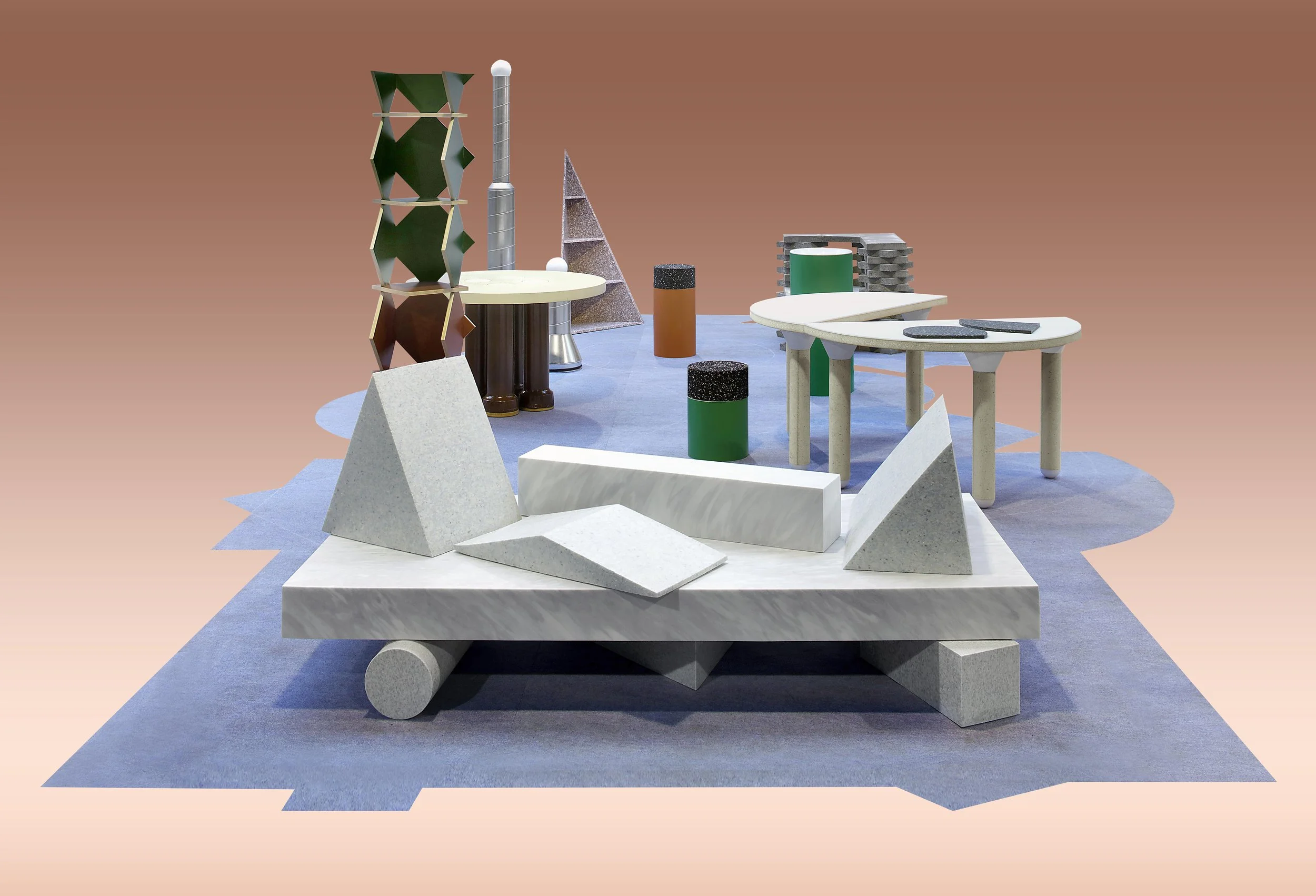
It Took 45 People to Create 9 Pieces of Furniture © Stand van Zaken
#1 To begin with — could you briefly introduce your practice?
Stefanie:
Our practice is called Stand van Zaken, a Dutch term that translates to “status quo.” We like the name because it captures a specific moment in time. People often describe us as a collective, and while we collaborate frequently, we would not call it a collective in the strict sense. It is more of an umbrella under which we, Theo and I, invite others to join us depending on the project. I come from interior architecture, Theo from architecture, and within Stand van Zaken we explore ideas that extend beyond our individual fields. It is a space for more experimental work, self initiated projects and anything that does not need to belong to a single discipline.
#2 What led you to work together?
Theo:
It wasn’t a business plan or a strategic decision. We are also a couple and live and work together, so our shared interests naturally led us in this direction. One day we made a sofa, someone asked if we wanted to show it, and we thought: why not show all the furniture we had created over the years? We realised that some pieces were mine, some were Stefanie’s, some were collaborations, yet they all spoke the same language. We presented nine pieces together, and that moment became Stand van Zaken. People like to define what you are, but for us the name is more of a reminder to stay open. Not to narrow down what we do too much, but to allow it to evolve depending on the people we work with.
Stefanie:
And we simply love building things. Within Stand van Zaken this became quite central. Here in the workshop we also started building right away, without drawings, which was never the plan. But the students were enthusiastic, the materials were there, and it worked. So we followed the momentum.
Theo:
Yes, that is part of the story. Within the context of the workshop, we must accept that we cannot know everything in advance. Our aim, therefore, is not to control the outcome or the object itself, but to shape a mindset, attitude, and rhythm toward the design process.We discover by doing. A big connector for us is also our greenhouse, an abandoned one thousand square metre structure that became our atelier during Covid. We camped there, we taught there, we experimented there. It is now our place for thinking, making and inviting others. It really anchors our way of working.
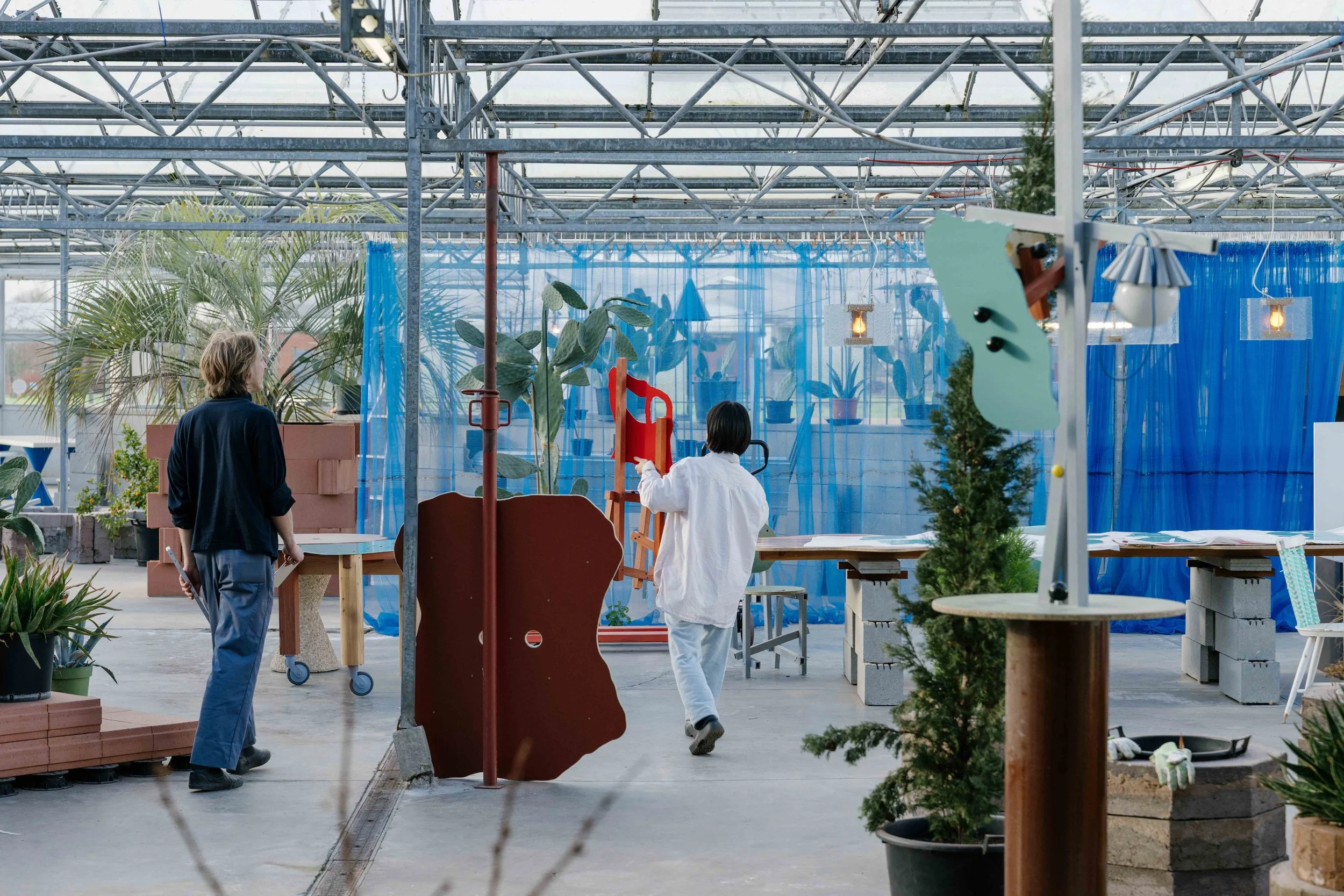
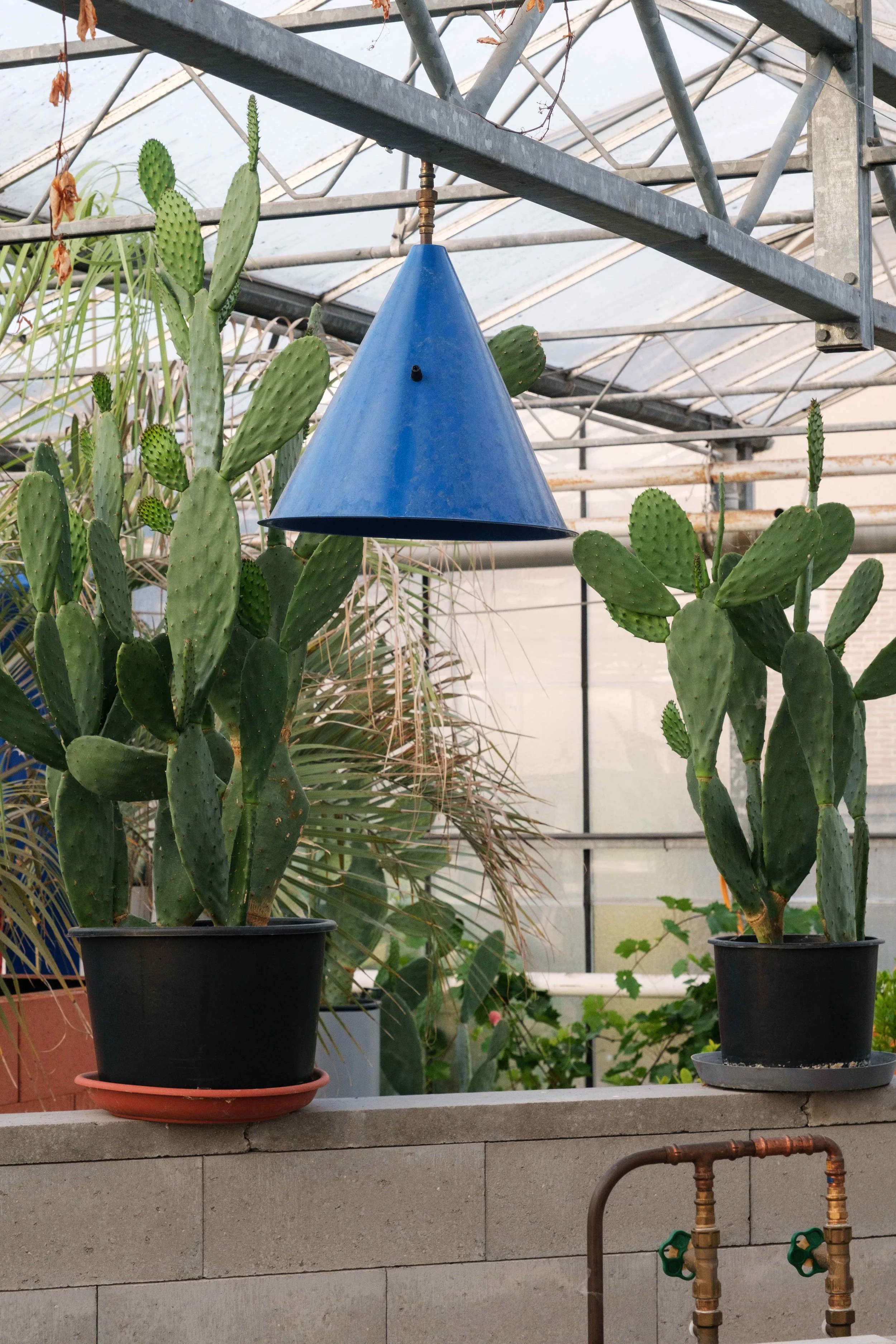

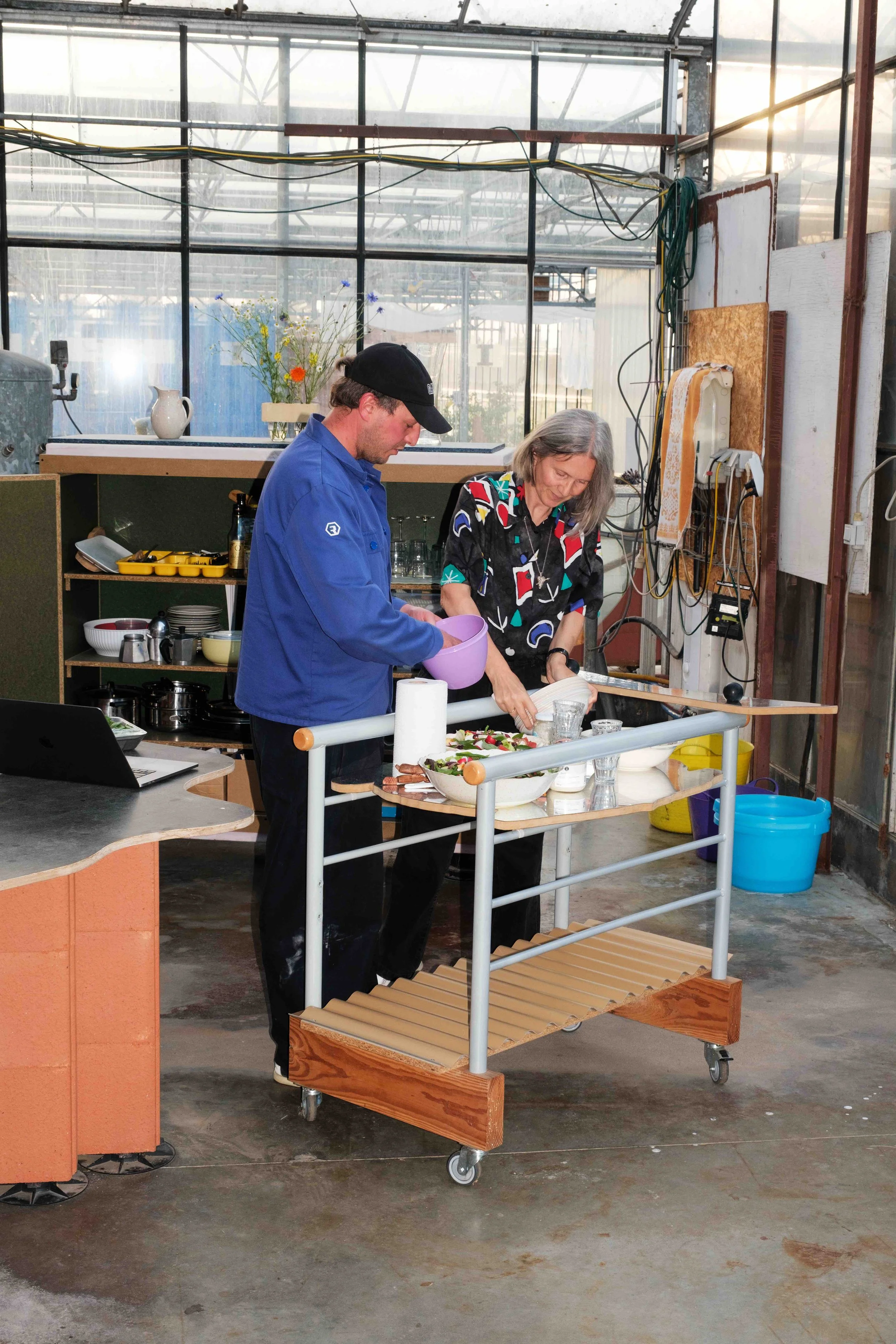
Serra, Photo 01 + 03: © Elias Derboven, Photo 02 + 04: © Max Creasy
#3 Can you briefly describe what you’re doing with the participants at Paraply Summer School?
Stefanie:
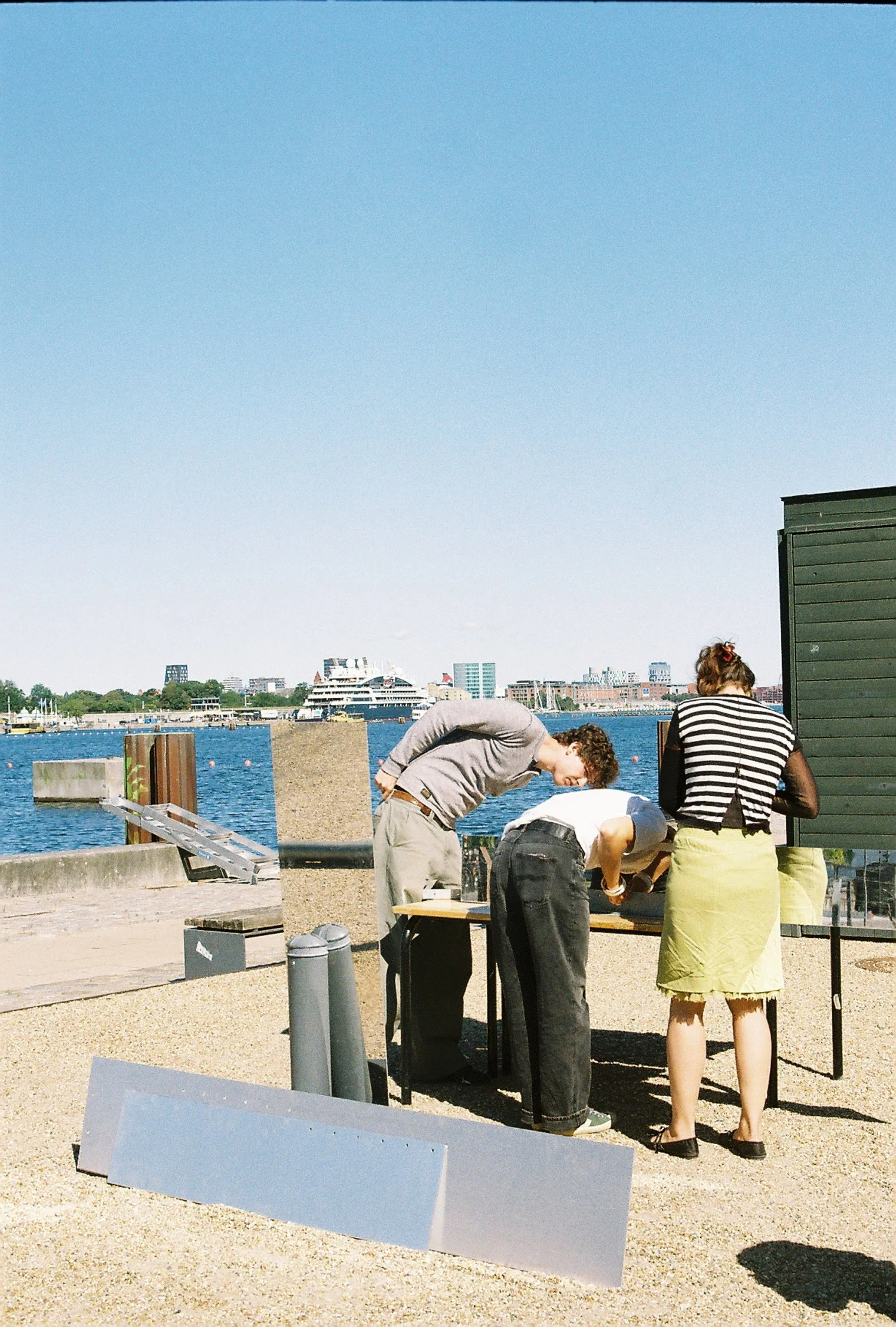
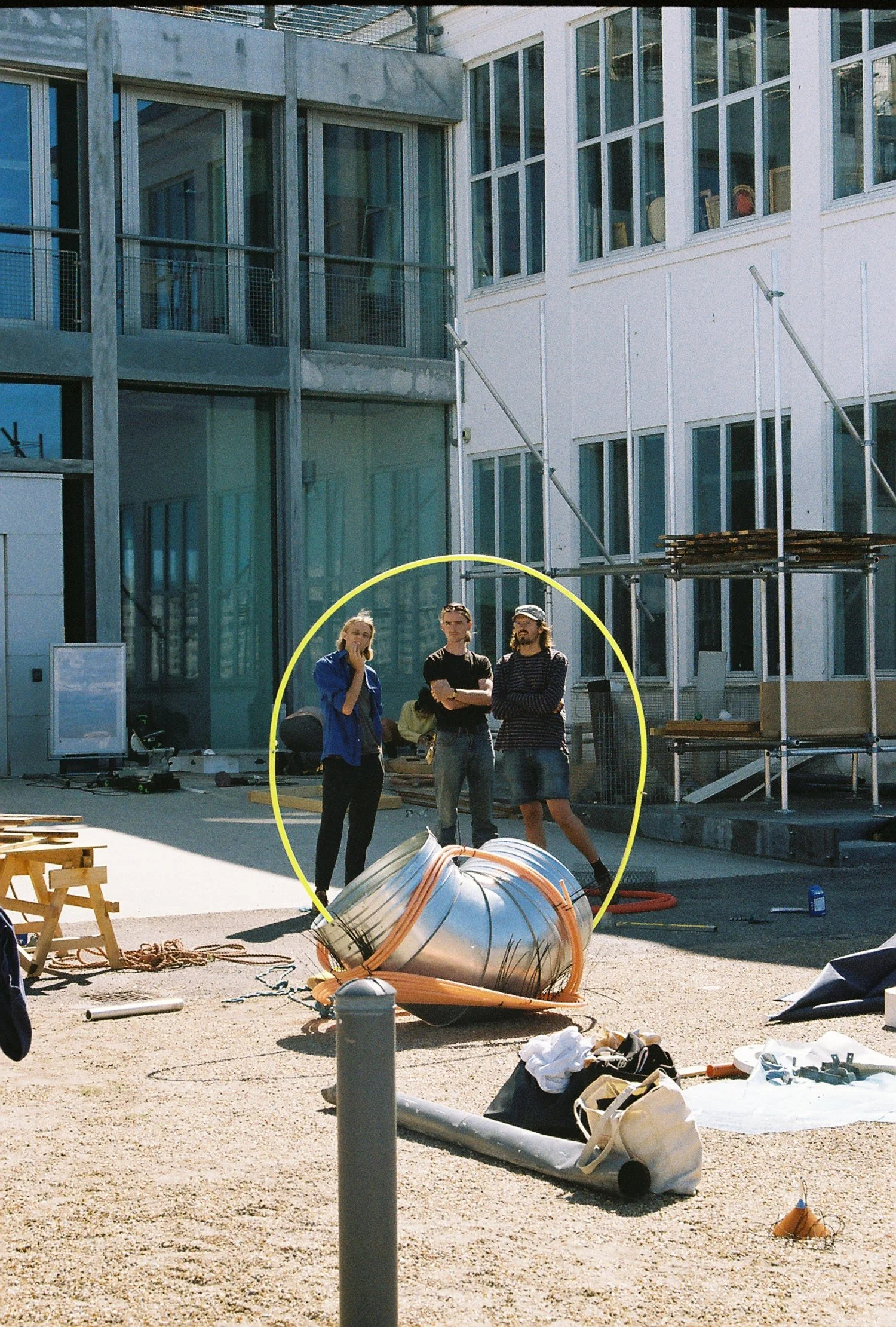
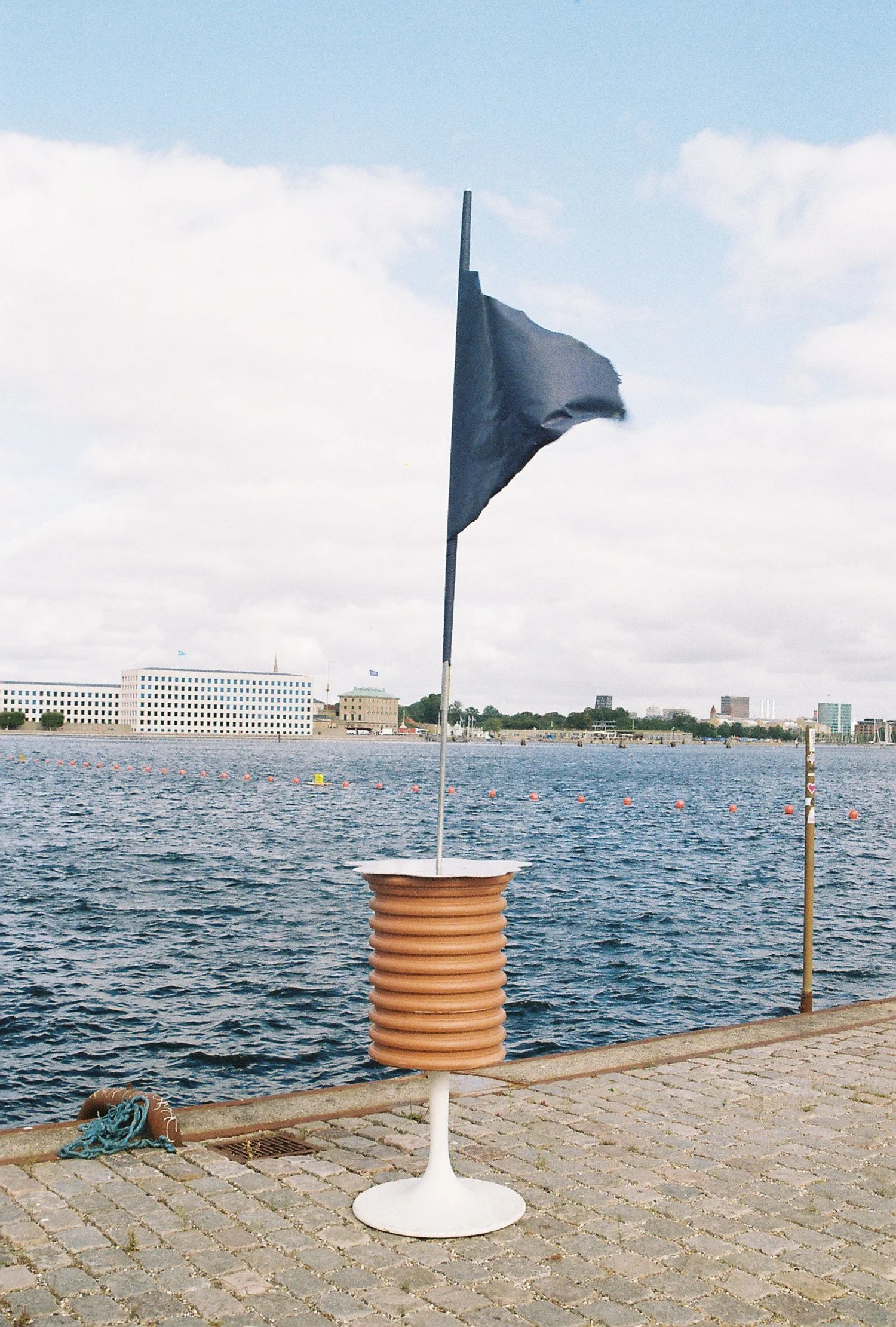
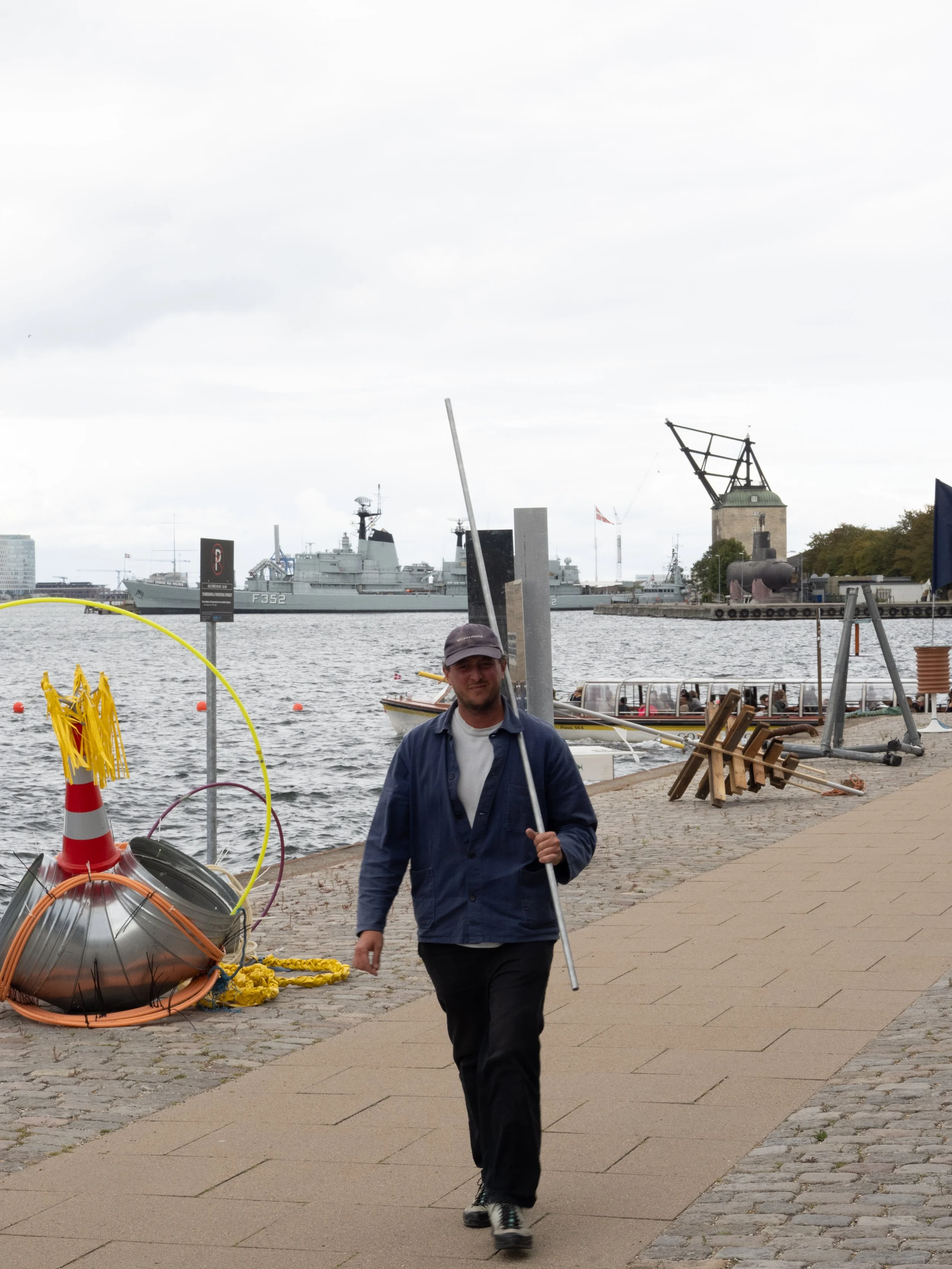
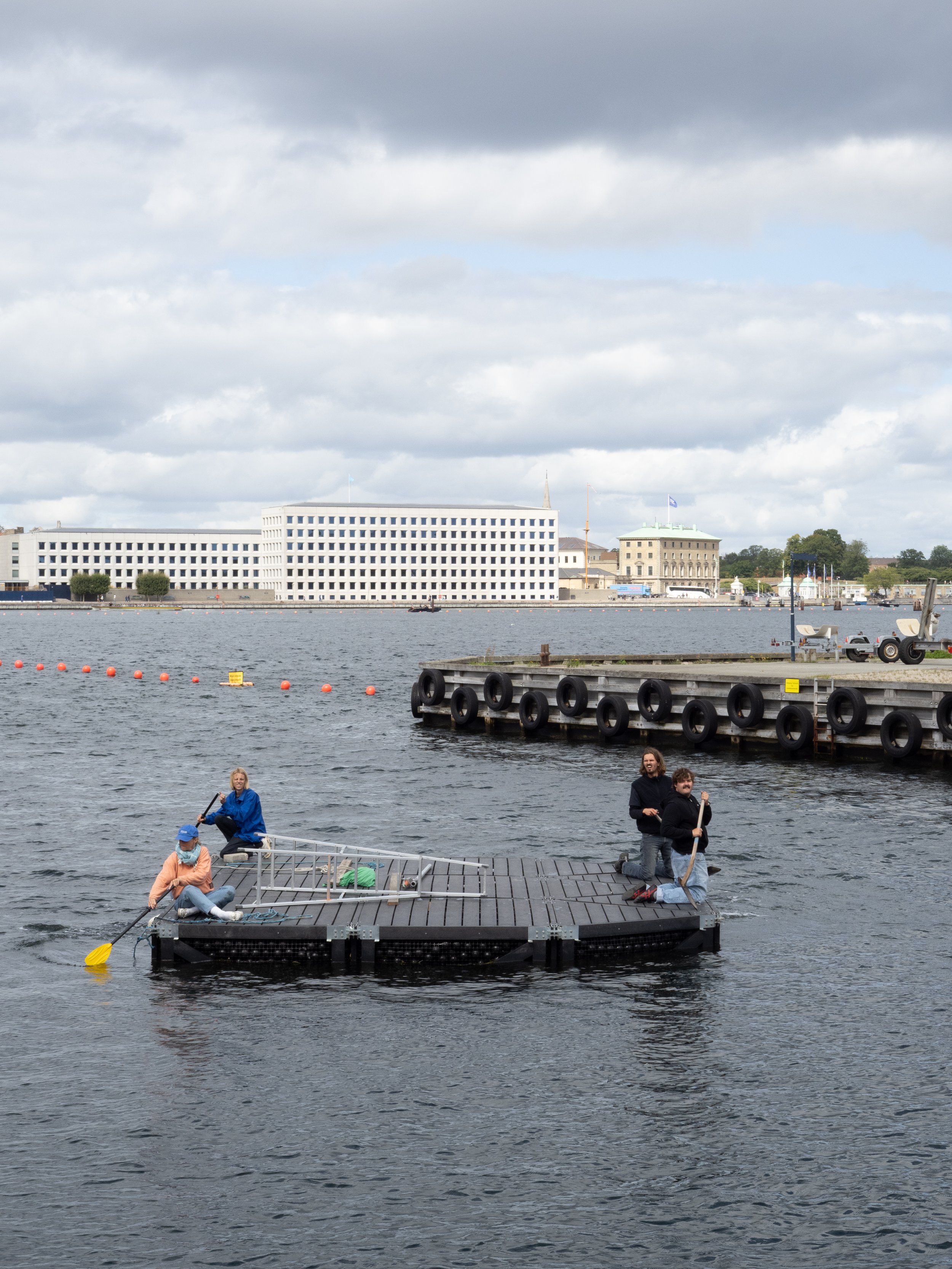
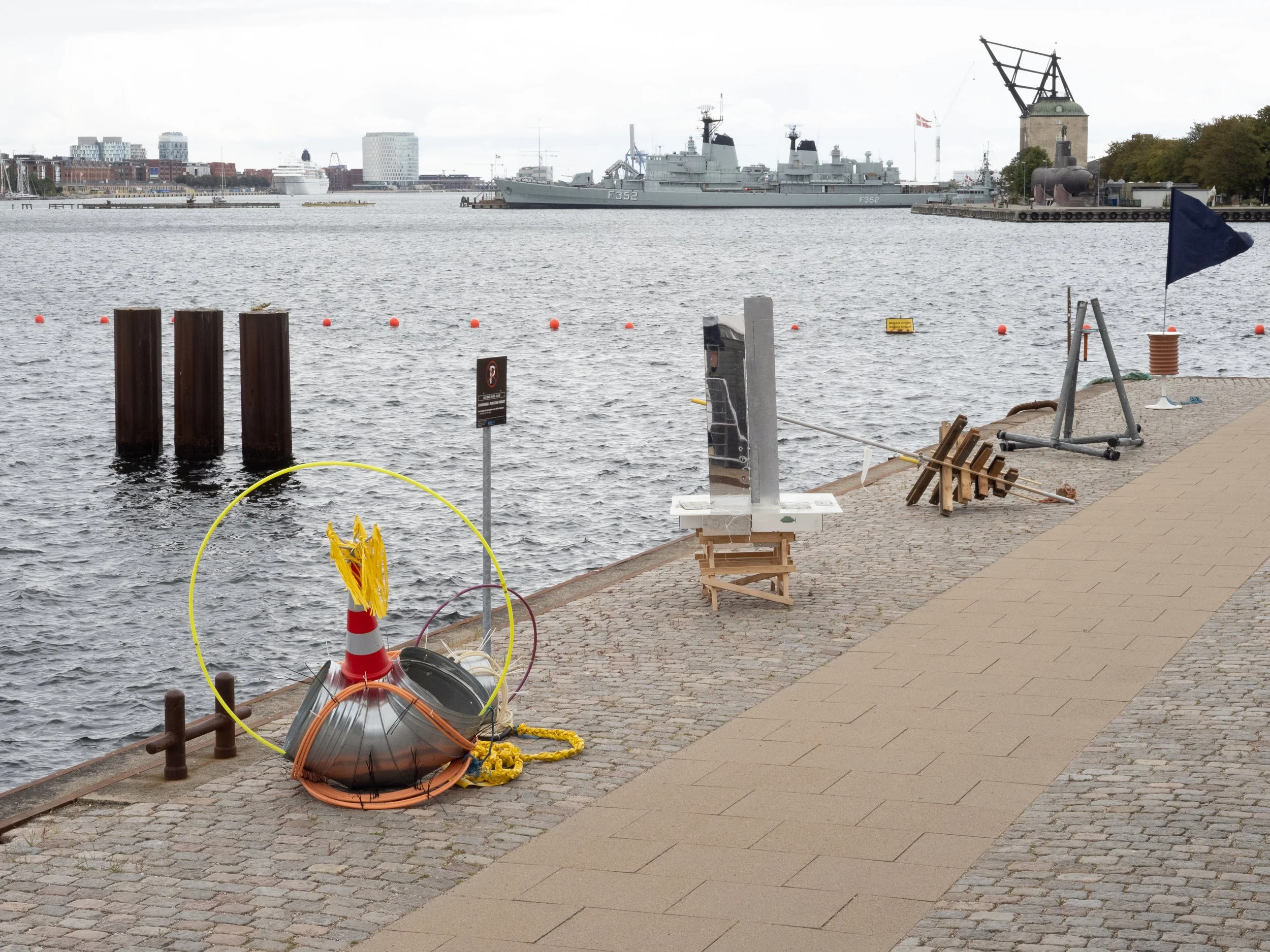
The theme “Load” connects perfectly to our topic. For two days now we have been exploring the delicate balance a buoy needs in order to float — what stays above the surface, what sinks below, how weight shifts. The task is to build buoys with the materials that are available. The students are testing, experimenting, pushing things a little further. It is great to watch.
Theo:
And there is this moment of control versus lack of control. They do not know in advance which materials they will receive, so they cannot prepare too much. Our research here in Copenhagen has involved visiting, observing and driving around the harbour, being fascinated by objects connected to the water. And the final judge is the water itself: it floats or it does not. The students set their own parameters. First: make it float. Then: what does it communicate, what does it reference? Now they are focusing on details, on joints, on how things come together. We try to encourage making first and thinking afterwards — without fear of failure.
Stefanie:
For many students it is also the first time they are physically building something. On paper I already loved the assignment, but after two days I love it even more. It works incredibly well and the students are fully engaged. We feel very lucky and happy.

#4 What do you hope the participants will take away?
Theo:
There is an interesting duality in reuse. We often start by making something from what we find, but we also want to encourage them to first discover what they want to create and then understand how to source or adapt materials for it. How to elevate a material. What does it need in order to become a diamond?
Stefanie:
DIY, yes — but also care for detail and imagination. It is not just about putting things together and throwing them into the water. If you get stuck, you can work your way out of it through action. Above all, we want them to have a great week, meet new people and hopefully carry this knowledge into the future.
© Samuel Causse
#5 What do you personally take away from the workshop?
Theo:
What we take away personally is learning how to guide a process with many minds involved without over-controlling. With Stand van Zaken we contributed to the Horst Festival, designing a bar and a stage and collaborating with many people — sound engineers, students, performers. The question is always: how do you create a framework in which everyone feels free, yet not lost?
Stefanie:
We are constantly there for the students, which is important because the more students we work with, the more we need strategies to stay afloat. It mirrors what we do at the university in Belgium. In the first semester they have to build something, diving into making as a foundation. This workshop confirms once again that it is the right approach.

Horst Arts & Music - Officers Bar - icw. Serban Ionescu, © Filip Dujardin


Left: Horst Arts & Music - State of Play - © Eline Willaert, Right: Horst Arts & Music - Officers Bar - icw. Serban Ionescu, © Filip Dujardin
#6 Which questions feel most urgent for the next generation of architects?
Stefanie:
We have many female students here, and conversations about working as a woman in this field arise very naturally. Today alone, fifteen students approached me wanting to talk further. It is definitely one of the important and very present topics right now. They want to exchange experiences and gain knowledge.
Theo:
We live in a time where many people want to do things differently, to work less and find balance. But nothing is simply given. Sometimes there is a belief that we are entitled to certain things. You have to work, explore, and push yourself. Things will not necessarily get easier, even though we try hard to make them easier. Keep going without fear.
#7 How has the city of Copenhagen inspired you?
Stefanie:
We didn’t know Copenhagen very well; it had been years since our last visit. But the waterfront immediately captivated us. We knew we wanted to work near the harbour, and when the organization mentioned that a floating platform was available, we began imagining the possibilities. At first, we considered exploring the harbour itself, but the platform had no motor. After weeks of discussion, we settled on the idea of building buoys with the students. They are beautiful, deeply connected to the harbour, and already part of our photographic archive.
#8 Three things inspiring you at the moment?
Theo:
Everyday life.
Stefanie:
Simply looking around: the landscape, what is on your plate, a fabric. Things we consume, not in a negative way, but what we digest visually and emotionally. We talked about a film yesterday in class, but is it more inspiring than sitting here, looking at the water and watching boats pass? Not necessarily.
© Samuel Causse
Links
Instagram: @stand_van_zaken
© Samuel Causse, © Caroline Steffen, © Elias Derboven, © Max Creasy, © Filip Dujardin
Interview by Caroline Steffen