
Gigi Totaro
Gigi, please introduce yourself:
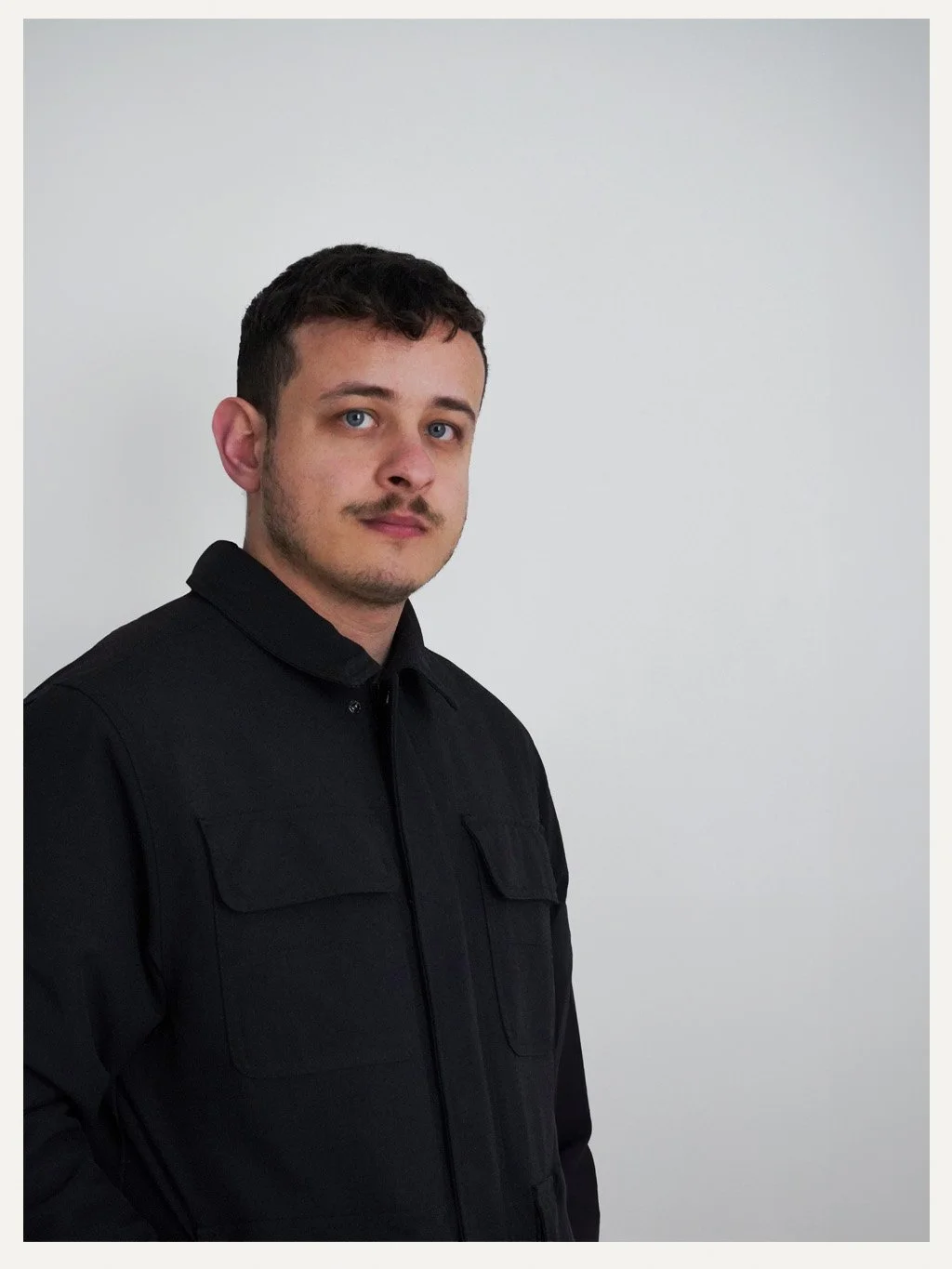
Hi, I’m Gigi Totaro, an Italian product designer and researcher whose practice moves across product design, material investigations, ecology and critical inquiries. I recently moved back to Italy, where I’m currently developing my independent design practice.
#1 What is your educational background, and how did your path into your current practice unfold?
I first did my Bachelor’s in Industrial Design at Polytechnic of Bari, Italy. After that, I moved to Leipzig, Germany, where I had the opportunity to assist Johanna Seelemann in her studio. This experience pushed me to further develop my research interests in ecology, material narratives and industrial production, which eventually led me to the Netherlands, where I recently graduated from the Master’s programme in GEO Design at the Design Academy Eindhoven.
All these study and work experiences have allowed me to engage with a wide range of approaches and methodologies, from more traditional product design to radical, research-based projects, developing my identity as a designer and my current design practice. This range of knowledge has made me quite a versatile designer across many fields, but if I had to choose what I truly enjoy, it’s research, prototyping and production.
#2 How do you negotiate the tension between your more radical, research-driven projects and the constraints of commercial commissions, and where do you see the greatest potential for impact within this overlap?
The tension between research-driven projects and commercial commissions is not something I see as a negotiation to solve, but as a productive space. Every constraint, whether budgetary, material, or client-driven, offers an opportunity to question and stretch the potential of a project. In my practice, I aim to apply the same rigorous methodology to every project, using holistic research to create meaningful and resonant work.
Compromises are part of any project, whether working on a commercial commission or with a museum or gallery. Institutions can sometimes offer more freedom and allow for more radical work, but this is not always the case, as every project has its own set of constraints. In the end, you have to work within a brief, make it your own, and, if possible, shape it according to your interests.
I usually start a conversation with the client, and sometimes we redefine the brief, which can lead to different outcomes, from installations and videos to strategies or product collections, depending on what best serves the project and supports the economic sustainability of the studio.
The greatest potential for impact, I believe, lies in this overlap: where design meets production at scale. Even within the framework of commercial demands, where constraints and compromises are inevitable, it is possible to carry the curiosity and rigor of research into real-world production, through material choices, changes in manufacturing processes, design strategies, designing new narratives, revealing hidden processes, creating work that is functional, reflective and capable of sparking broader conversations.
#3 Could you tell us more about your graduation project Postnatural Remains? What is the project about, what intentions guided your research, and what kinds of insights were you hoping to gain through it?
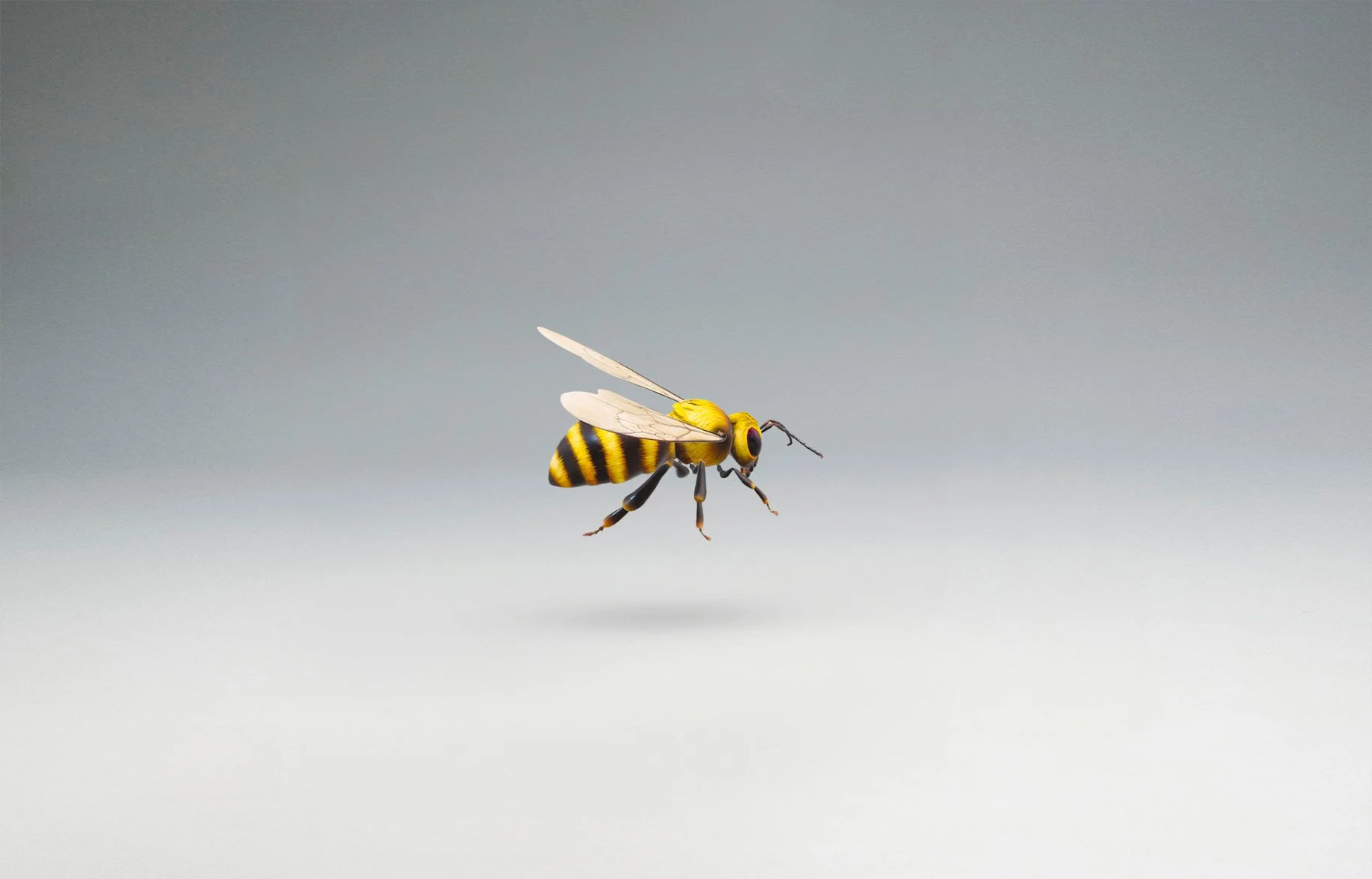
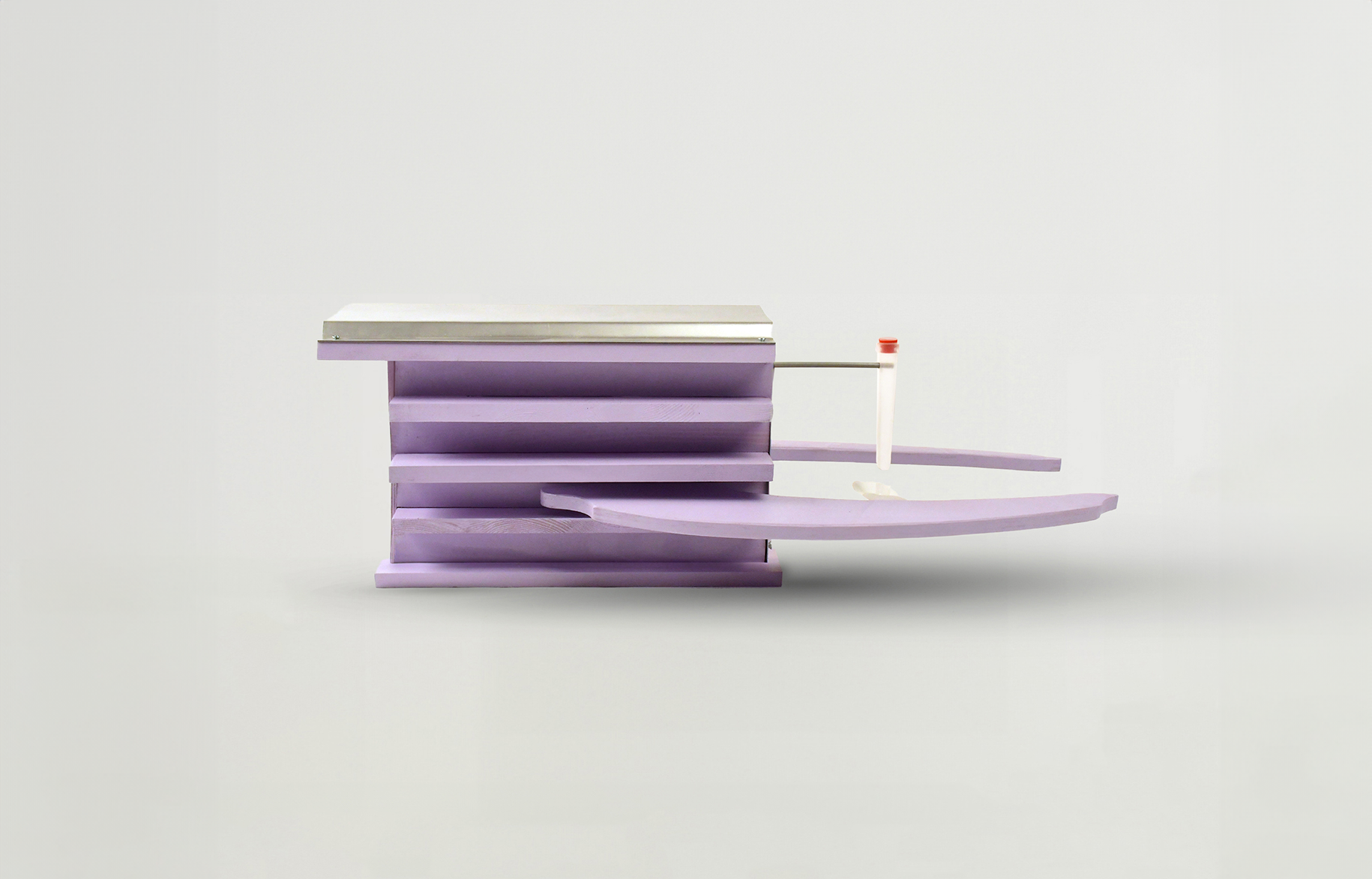
Postnatural Remains is a multimedia installation exploring the ecological impact of illegal waste disposal in Puglia, southern Italy, where environmental crimes, including waste trafficking and dumping, continue to devastate rural ecosystems, contributing to the loss of biodiversity. Specifically the installation brings together video, sculptural objects for ecological support, and an image archive to reveal how waste impacts pollinators, plants and habitat dynamics.
When investigative research on household waste is conducted, the most immediate approach is to tackle the subject of waste only from a material perspective, thinking about recycling and upcycling theories as ways to subvert its functions. Unfortunately, this approach has many limits and offers only a short-term solution and does not guarantee that a repaired object will not eventually become waste again. During my field research, I encountered an unexpected archaeological artefact: a beehive growing inside an aluminum container. In that moment, I realized that my project had nothing to do with solving this problem from a material or industrial perspective. Instead, it became an opportunity to construct an alternative narrative by exposing the hidden environmental implications of waste and the afterlife of products, giving voice to non-human agents and making visible the transformations and contaminations between waste and the ecosystem.
Through this project, I came to understand that designing in a damaged world means rethinking design as a practice of blending, where discarded objects are seen as active parts of ecosystems.
This work helped me understand how urgent it is to rethink the afterlife of products and to see discarded objects as active parts of ecosystems, opening questions about whether waste could support new and non-toxic forms of coexistence in damaged environments. Rather than offering solutions, this research should be read as a series of starting points, observations and questions that contribute to a broader understanding of design and its role in addressing complex environmental phenomena.
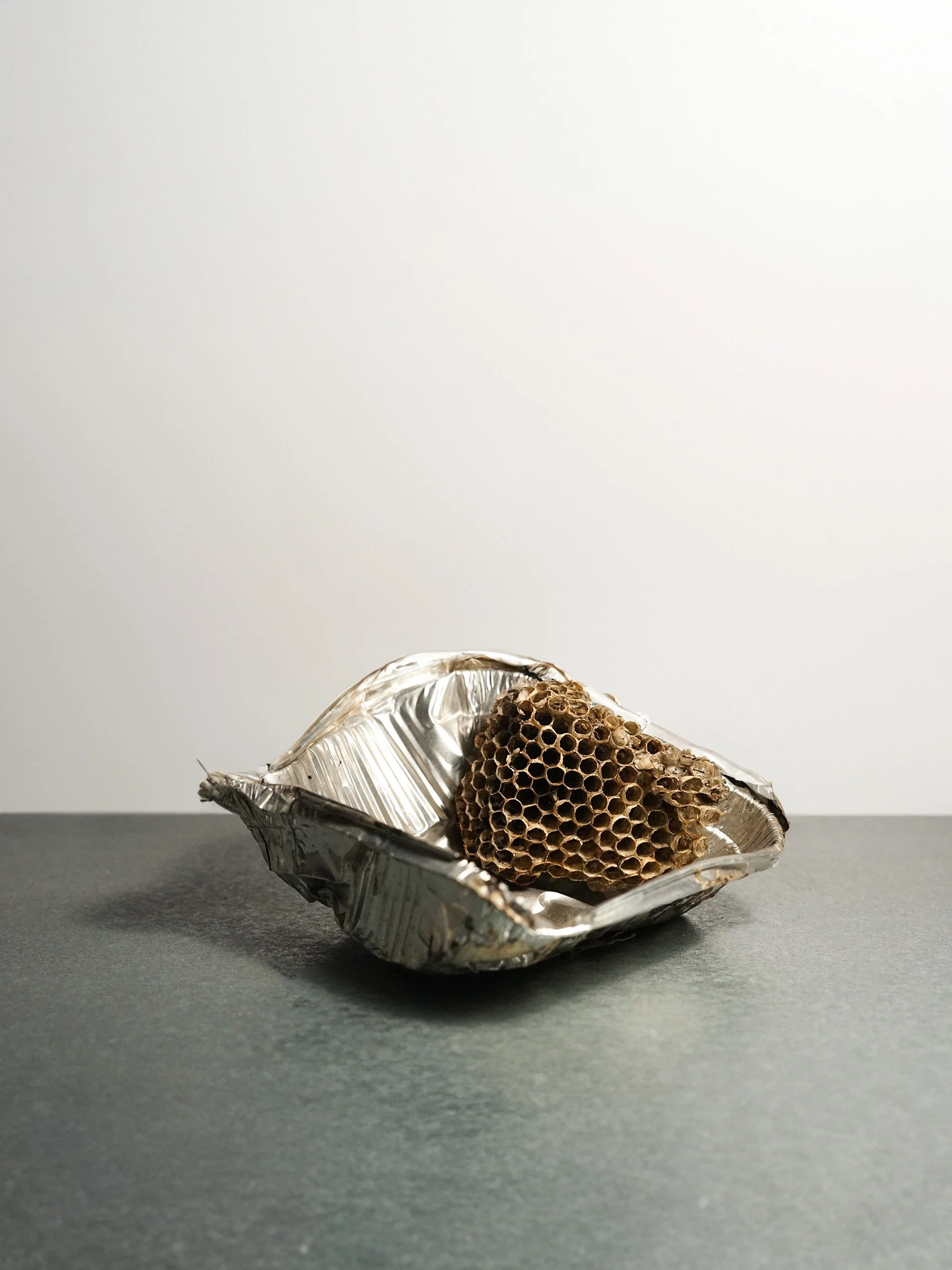
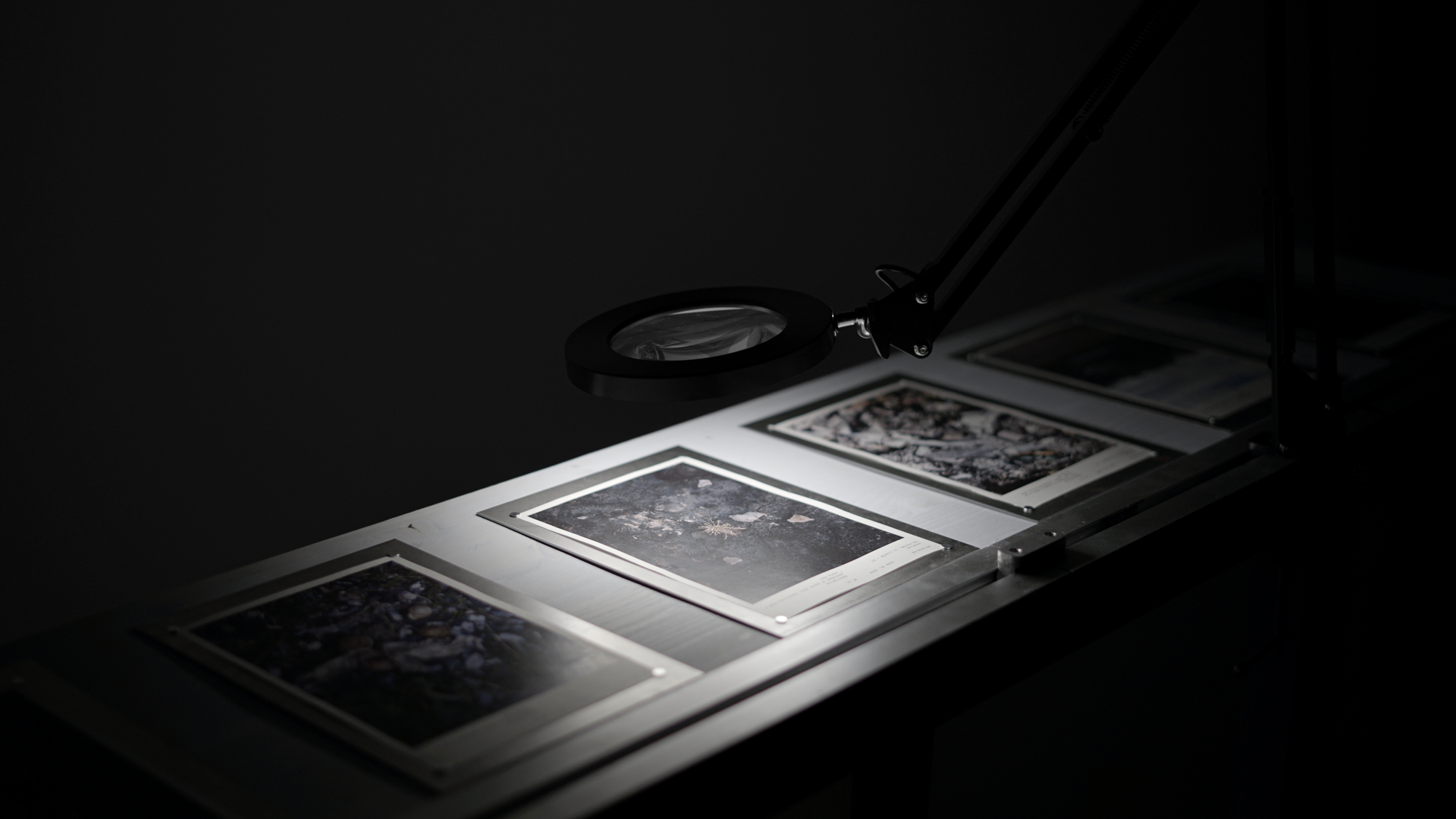
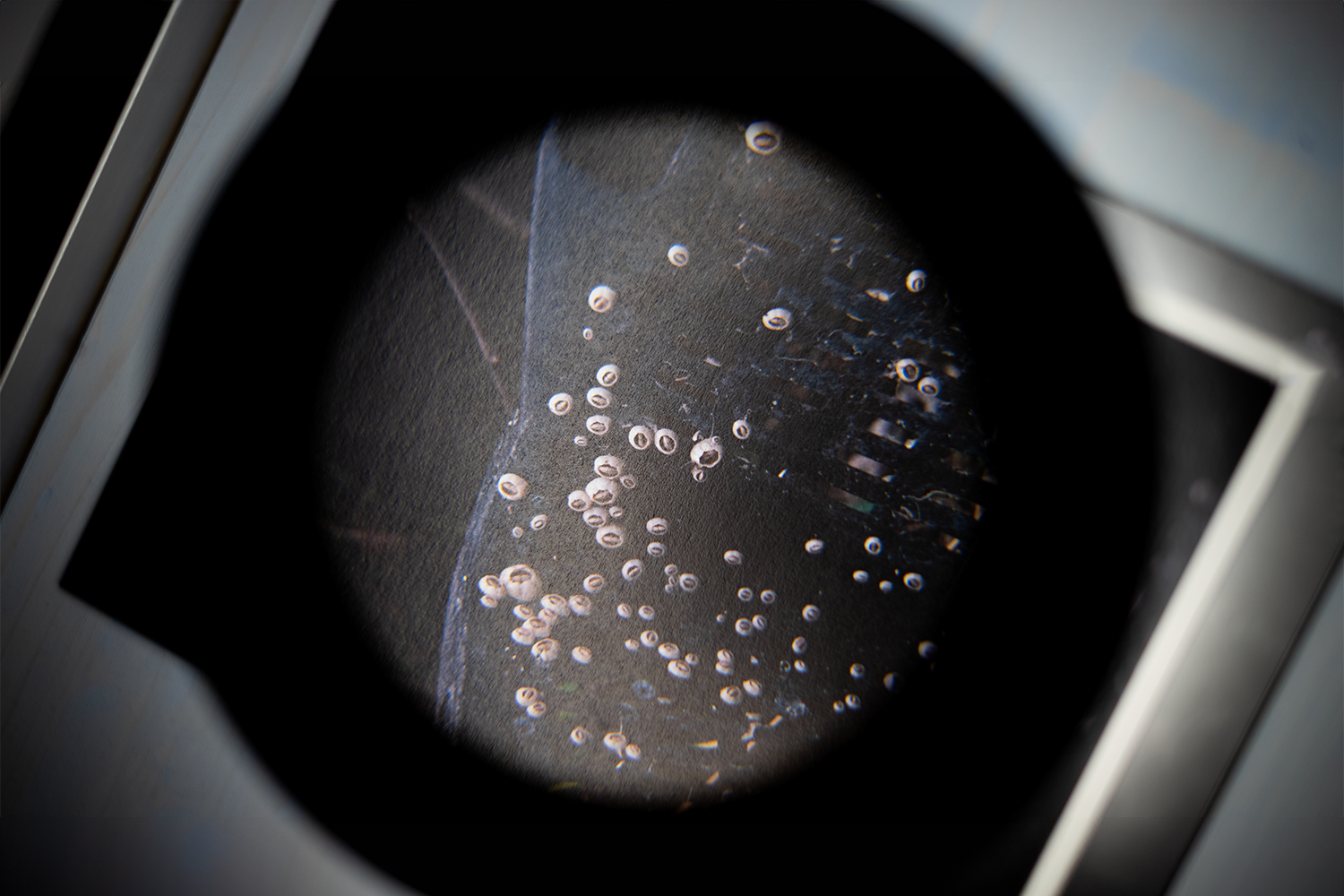
#4 Through Postnatural Remains, you move from documenting environmental crime to proposing redesigned archaeological objects as tools of ecological support — how do you see the role of design shifting from critique to active participation in more-than-human coexistence?
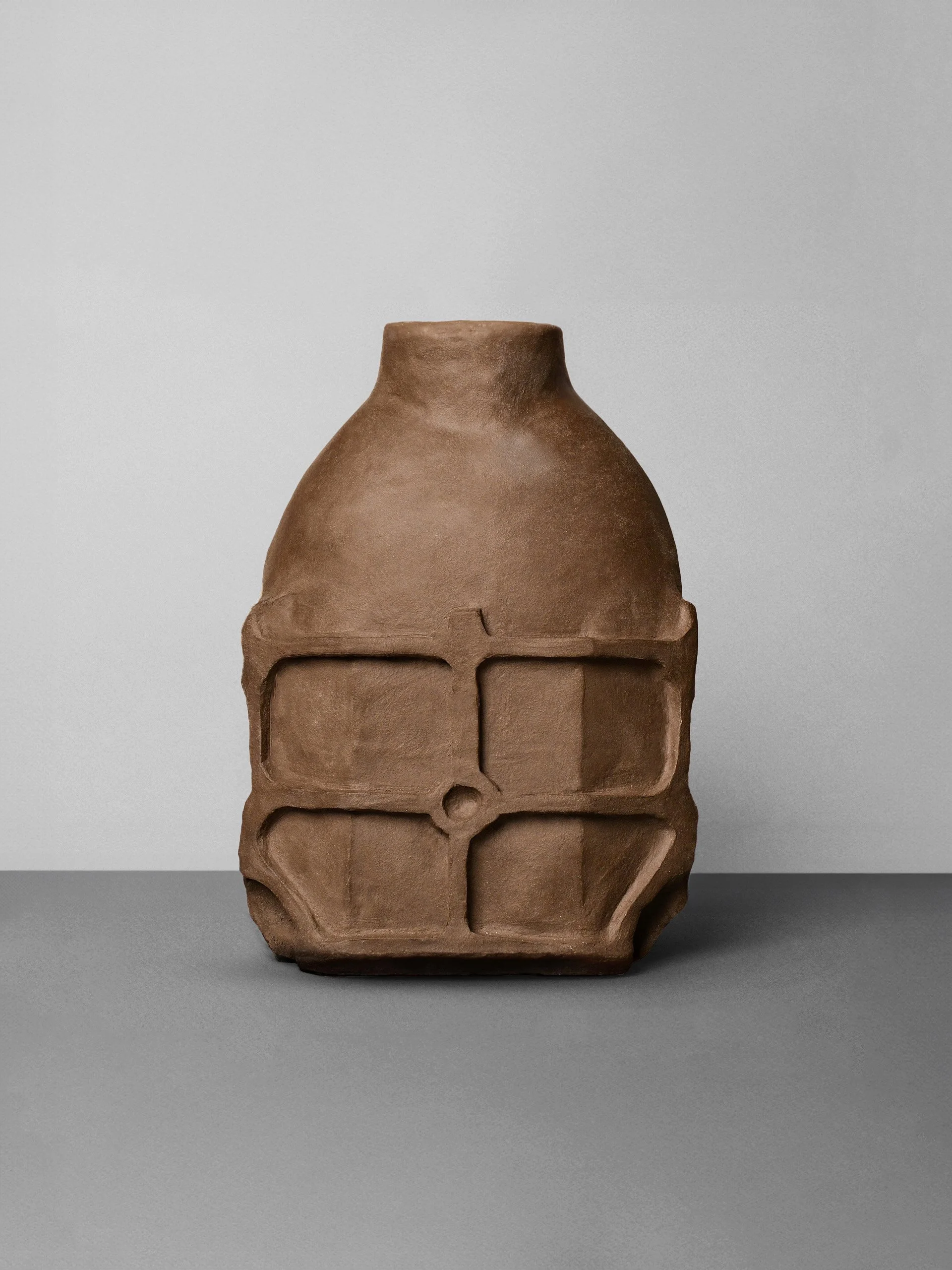
I don’t see this shift as a move from critique to design solution, but rather as an expansion of what critique can do. Design has often been very good at pointing at problems and making systems visible, but less comfortable with staying inside those systems without immediately trying to fix them. In Postnatural Remains, the redesigned archaeological objects are not meant as solutions or optimistic repairs, but as “speculative” tools that allow us to remain with the consequences of environmental damage.
By engaging with waste as both material and historical trace, I approach design as a way to observe, listen, and understand how objects continue to act and influence their surroundings long after their intended use. Some of these objects take on ecological roles: a terracotta plastiglomerate vase slowly releases water to support plant roots in burned soil, a discarded TV becomes a shelter for earthworms, and an air conditioner provides a safe habitat for pollinators. In this way, design participates by creating conditions for more-than-human coexistence rather than controlling it, acting as a mediator between human intention and non-human agency.
I am extremely grateful to the Geo Design department for giving me the opportunity to investigate the role of industrial mass production from a more than human and holistic perspective and for allowing me to narrate my project through different design mediums, such as moving images and objects. At the same time, I believe there is an urgent need for stronger critique within design research, especially around traditional industrial production: questioning how materials are extracted, transformed, produced, distributed, consumed, and disposed of. Critique is not something negative; it is a way of stepping outside a system, looking at it analytically, and engaging with its complexity. Only through critique can we begin to move beyond existing models and imagine alternative futures.
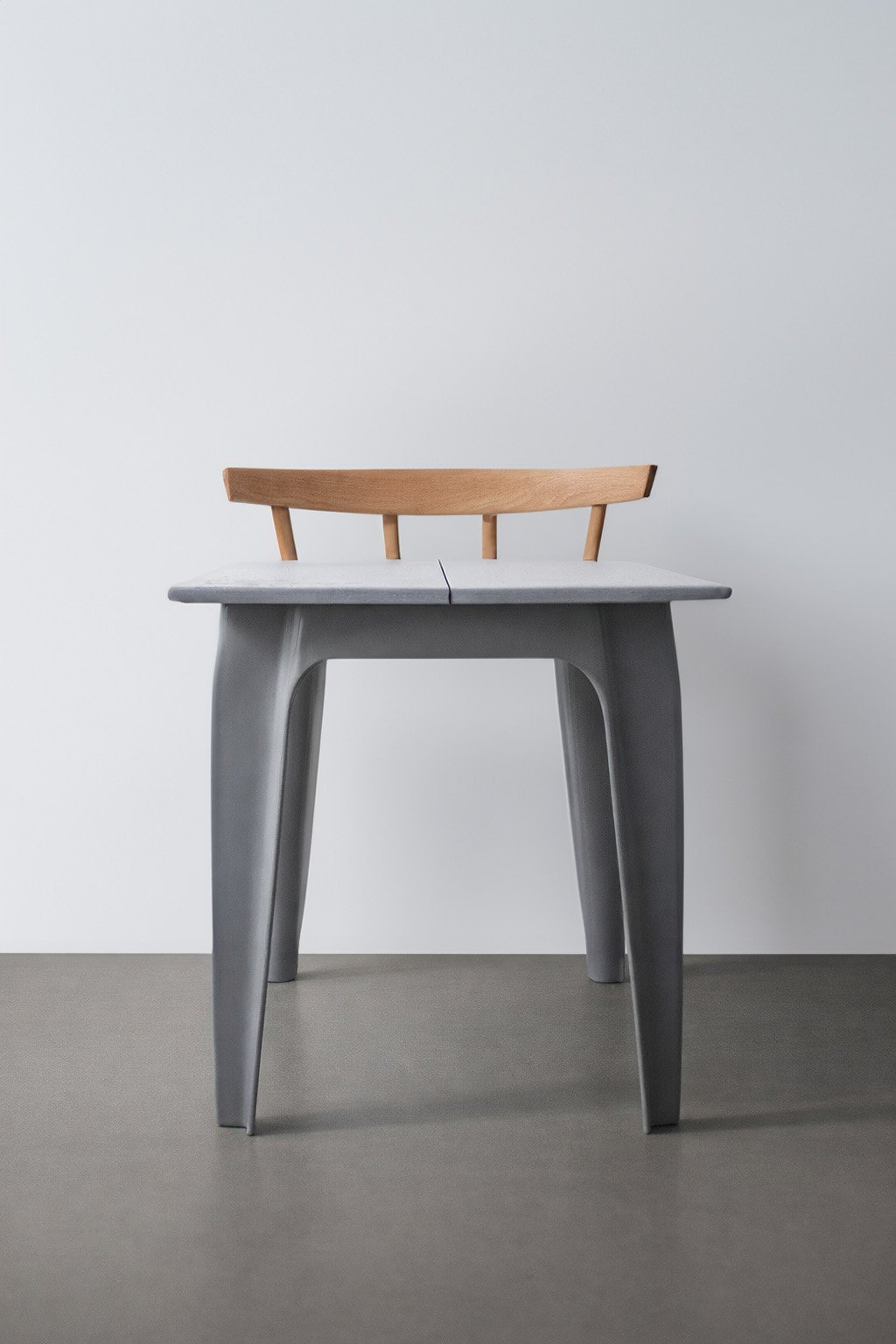
#5 To what extent do you think trends and algorithms shape our desires and design decisions today, and what did your research through Outlier reveal about the possibility of resisting or working outside these systems?
Today, trends and algorithms operate not only as infrastructural systems but also as powerful aesthetic forces. They shape our desires and design decisions by defining visual languages, formal codes, and ideas of contemporaneity through repetition and prediction. Nowadays, it’s difficult to create something that feels truly new or completely authentic, as we are constantly immersed in streams of images, and even search engines tend to suggest content closely related to what you are already looking for.
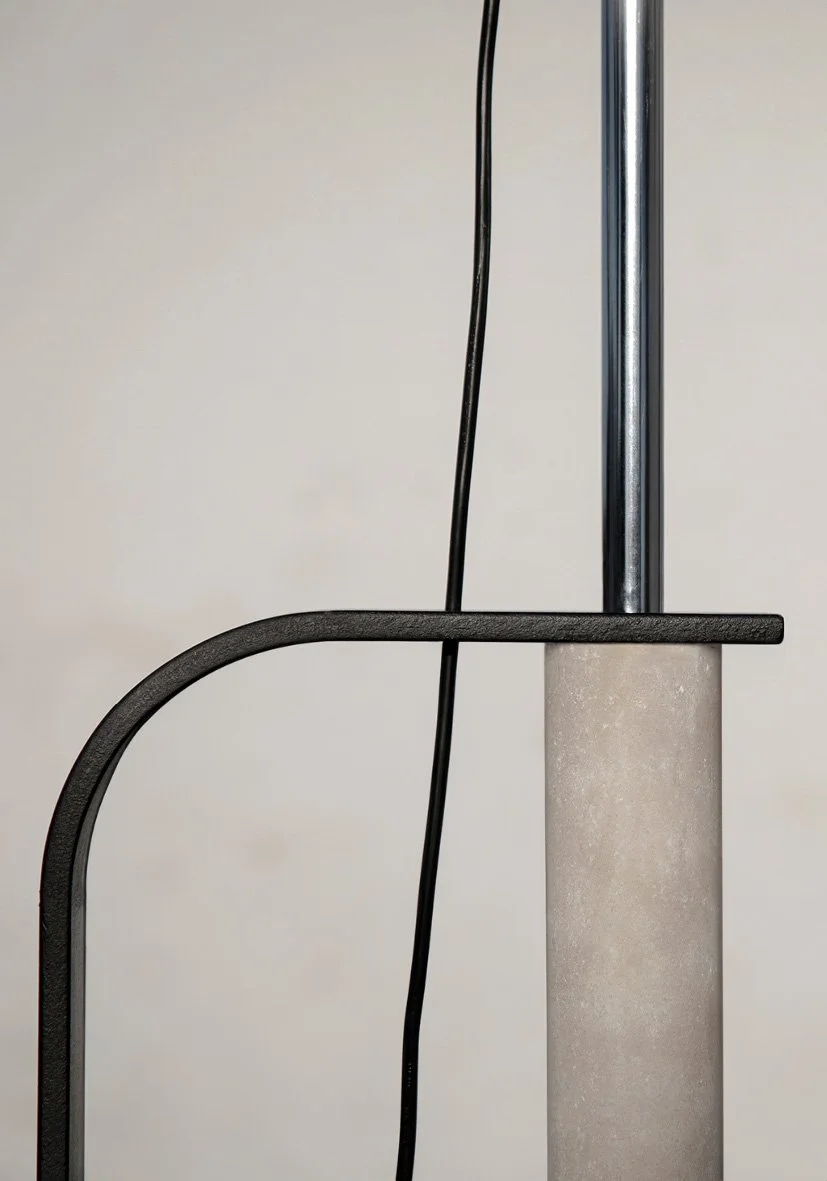
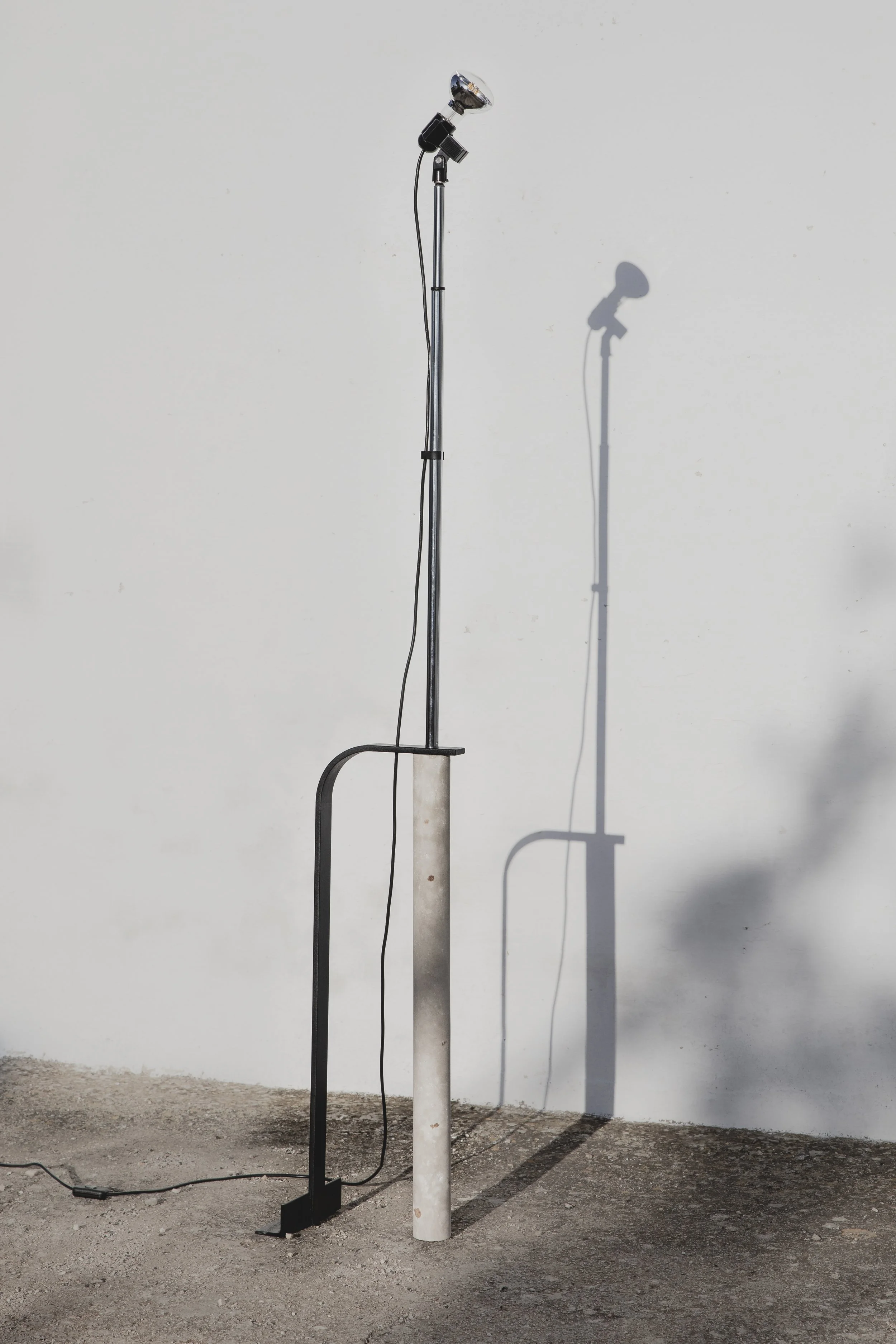
Outlier emerged as an experiment during my graduation project, where I explored how to rethink the end-of-life of products by reassembling them and giving them a second life. Rather than opposing algorithms directly, the project investigates how design can exist outside fashion-driven and prediction-based logic. By working with a strong Ready-Made attitude, the furniture challenges trend-led cycles and algorithmic legibility, allowing form to emerge from materials, shapes, colours, process and necessity. With this project my aim was to embrace unpredictability by confronting two perspectives: the refusal of imitation and the resistance to letting expectations define an object based on its era or design style.
Working outside these systems doesn’t mean escaping them entirely, but rather slowing them down. By embracing unpredictability and mixing elements and styles from different objects, I wanted to propose furniture that are less immediately readable, less tied to a specific moment or trend, and less disposable, since they can be reassembled in multiple ways. The research showed that by challenging these systems, it’s possible, even in a moment of environmental crisis and material scarcity, to shift the focus from aesthetic trends to duration, making this approach both a design stance and a political statement.
#6 Which questions are you interested in exploring next, and what directions do you see your practice moving towards in the future?
I don’t really have specific questions I’m looking to explore immediately, those usually arise as soon as I start a new project. The most important news at the moment is that I will be exhibiting my graduation project this April during the Milan Design Week, and I’m currently designing a new installation for it. I’m really looking forward to showing my work there and seeing the response from a new audience, especially in a vibrant context like Milan, where you don’t usually see many research-based projects during that event. I’m very interested in exploring collaboration on multiple levels. I would love to start working with both companies and institutions, engaging in projects that allow me to test and expand my personal research. At the same time, I want to continue developing exhibitions and personal projects that reflect my own investigations, while collaborating with other designers to exchange ideas and approaches. Ultimately, I hope to finally open my own studio here in Italy, a space where research, production, and collaboration can coexist and generate unexpected outcomes.
#7 How do you see the role of an architect in today's society?
I really see the role of the architect relevant today, because in the end architects shape the spaces people live in every day and influence how they behave and interact. I’m especially drawn to projects that focus on regeneration and adaptation, rather than just building something completely from scratch. I like thinking of architects more as curators or restorers, working with existing materials and contexts to reorganize and revalue them. By engaging with what’s already there, buildings, materials and structures, architects can create meaningful spaces without having to make everything from zero. I feel there’s so much more the practice can explore, and I’m curious to see where it goes next.
#8 How does your environment influence your work?
After living in the Netherlands and Germany, I’ve noticed quite big changes in my approach and attitude towards my work now that I’ve relocated to southern Italy, perhaps due to the climate and the difference of light. Our surroundings influence us a lot, as it reflects and responds to what we do and how we position ourselves. One thing I’ve tried to keep similar to when I was in the Netherlands is living in a fairly quiet and isolated place, free from the “noise" of events and the distractions of a big city. This helps me focus on my work, almost like being a sort of hermit, although there are moments when I crave chaos and noise, and that’s usually when I step out of the studio for a while.
#9 Three things that inspire you at the moment?
Being surrounded by people with my same interests, going for a walk or a bike ride, Gino Sarfatti.
#10 What do you currently read, watch, listen to?
I’m currently reading Field Guide to the Patchy Anthropocene: The New Nature by Anna Tsing, Jennifer Deger, Alder Keleman Saxena and Feifei Zhou.
I recently rewatched Twin Peaks and Fargo.
I listen to a wide range of podcasts on a daily basis, particularly those focused on design and ecology, and I regularly tune into NTS Radio.
Links
Website: gigitotaro.com
Instagram: @gigi_totaro
Interview by Caroline Schulz, Photos by Gigi Totaro