
Jeanne Tresvaux du Fraval
Jeanne, please introduce yourself:
I am an artist and designer based in France, between northern Brittany and Paris. I create drawings, objects, sculptures, and installations. My work often explores archives, territory, and resources. At the same time, with my sister Louise, I co-founded a clothing studio, Studio de Lostanges, inspired by local resources and Breton wardrobe.
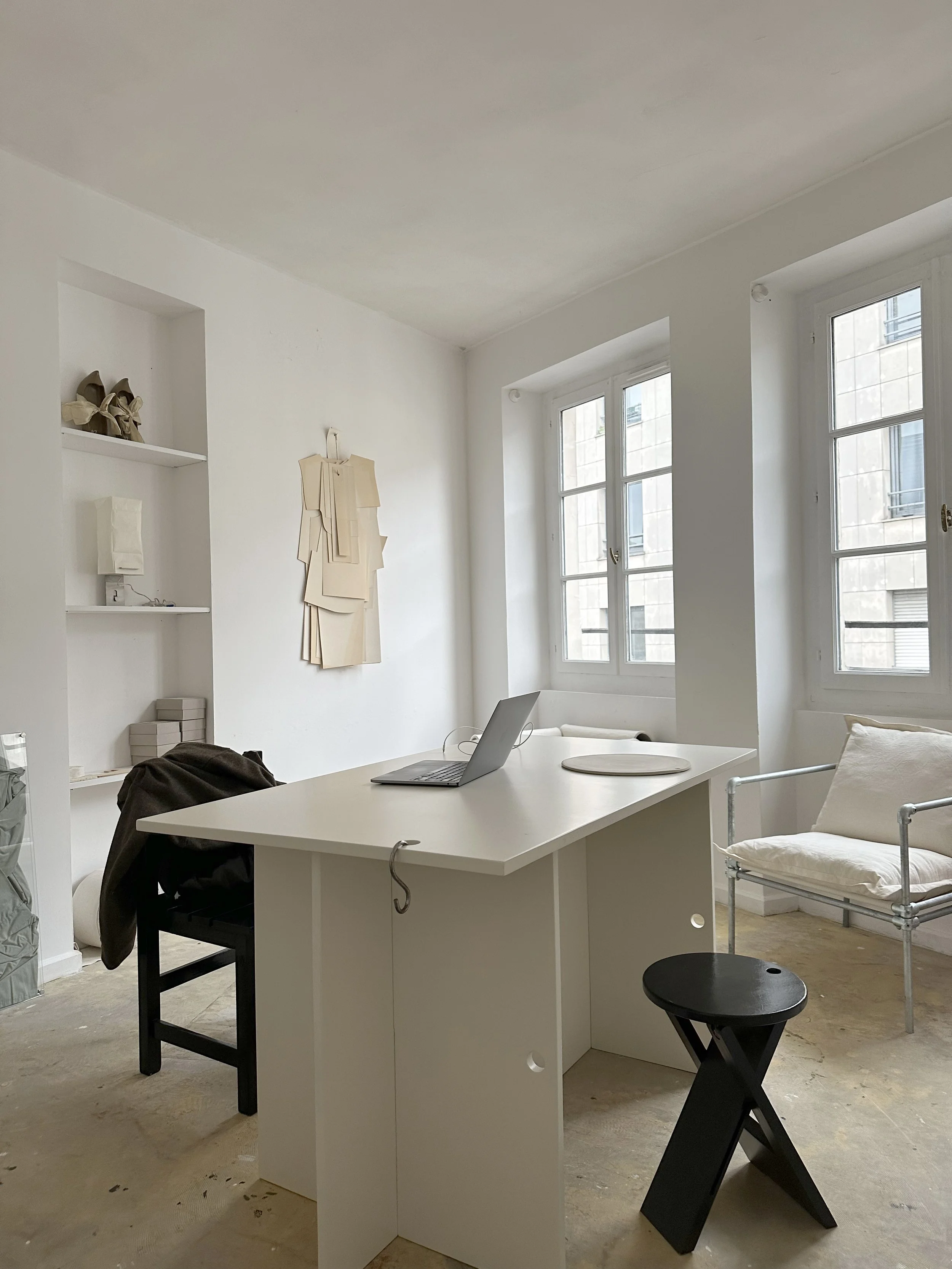
Studio Paris © Jeanne Tresvaux du Fraval
#1 What is your educational background, and how did your path into your current practice unfold?
I first studied at the Fine Arts school, then continued with a master’s at the École nationale supérieure des Arts Décoratifs in Paris. During an Erasmus exchange, I also spent a few months at the Gerrit Rietveld Academie in Amsterdam.
Throughout my studies, I intentionally explored several fields — fine arts, textiles, design, and editorial graphics — which reflects my multidisciplinary practice today. At the same time, I co-founded Studio de Lostanges.
A first residency at Domaine de Boisbuchet was an important turning point. It led to other residencies and exhibitions that gradually shaped my research and work.
#2 With Studio de Lostanges, you release one edition each year. Could you tell us more about your approach to developing an edition and the ethos behind the pieces?
With Studio de Lostanges, we choose to release one collection per year, in line with our goal to create durable clothing, both in quality and design. Each piece is designed to fit into an existing wardrobe: it should bring something new while staying discreet. We imagine an evolving wardrobe that grows and develops over the years.
Studio de Lostanges is built from a collection of materials and skills. This limitation becomes our starting point. I have always liked creating within limits: available resources, local know-how, and sustainability requirements. These rules actually give us freedom. They also decide how many pieces we produce for each item.
The annual rhythm allows me to continue my artistic projects at the same time, while keeping careful attention and high standards for each edition.

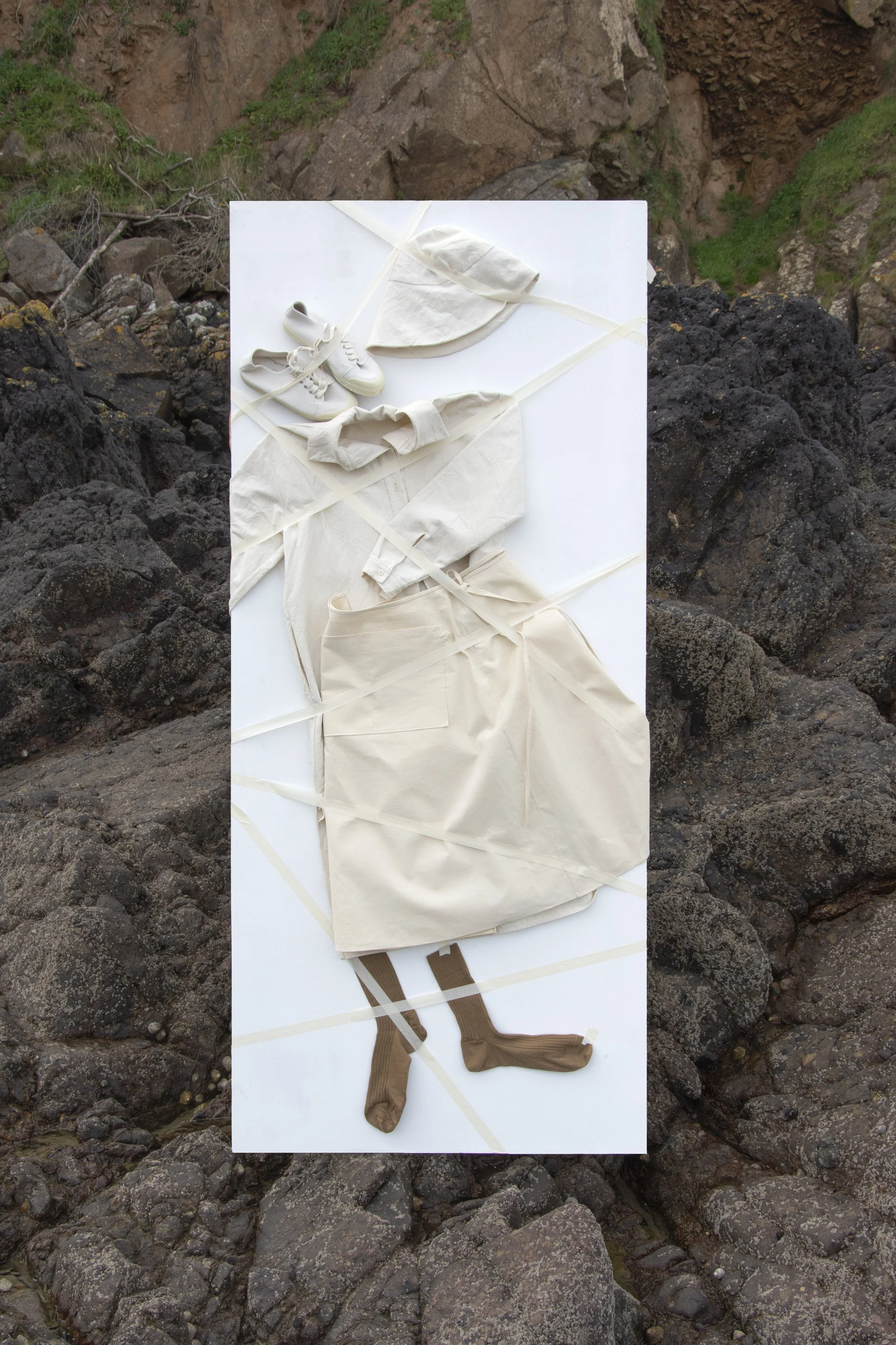
@ Studio de Lostanges
#3 Your production is based in a 1950s hotel on the coast of Brittany, built by your grandparents. How does this setting influence the way space, memory, and objects come together in your work?
I have two studios: one in Paris and another in Brittany, in a small building built by my great-grandparents in the 1950s. It is an unusual and striking building for the coast, with large openings that look out to the sea.
The spaces are very bright, and inside, almost nothing has changed — intentionally, to preserve traces of the past. Nothing is fixed: everything is always changing, as if each room could have different uses.
I collect many materials, books, and objects. These archives are a real source of inspiration. The place influences how I think about space, memory, and objects, because the building itself carries stories and possibilities that guide my work.
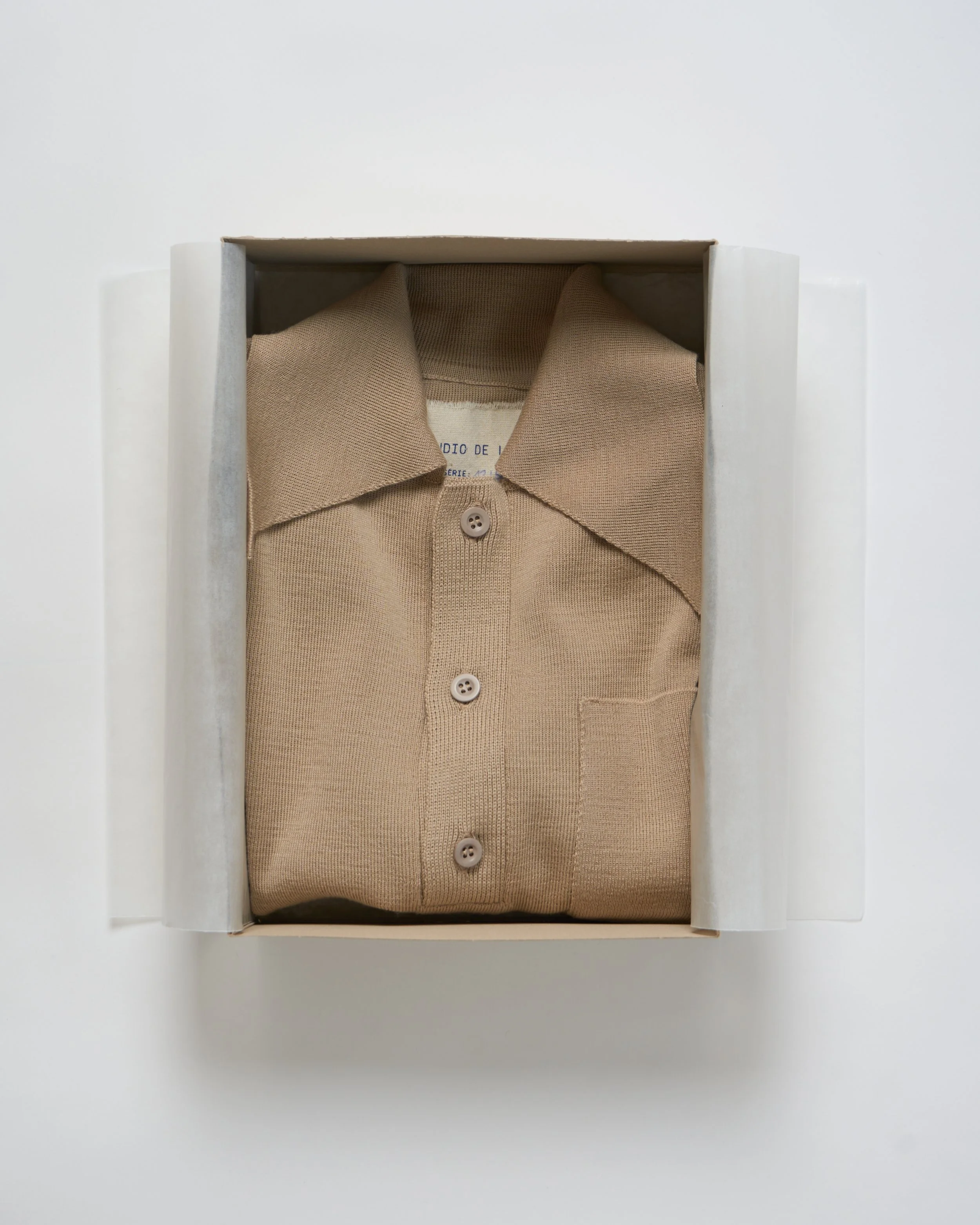
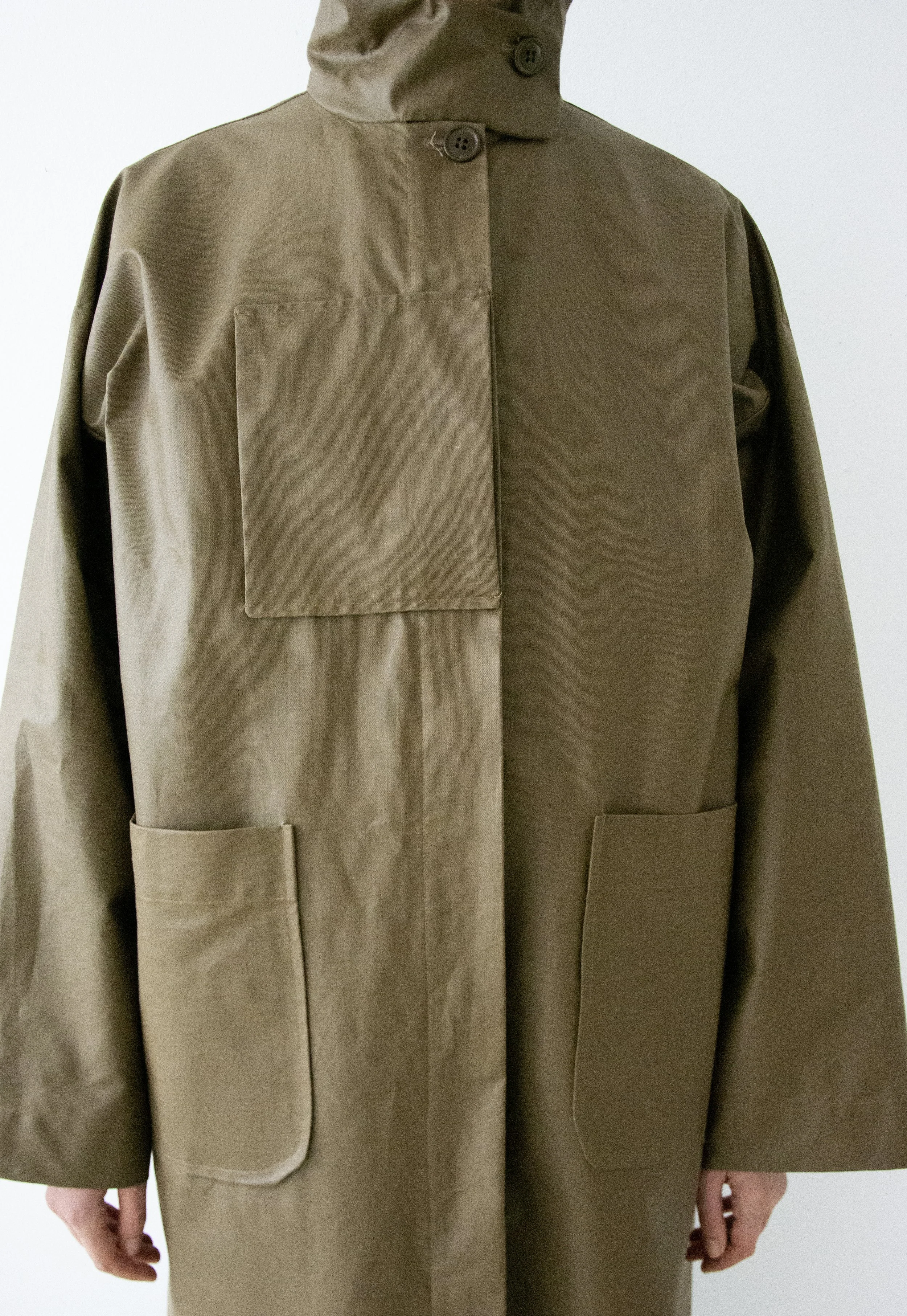
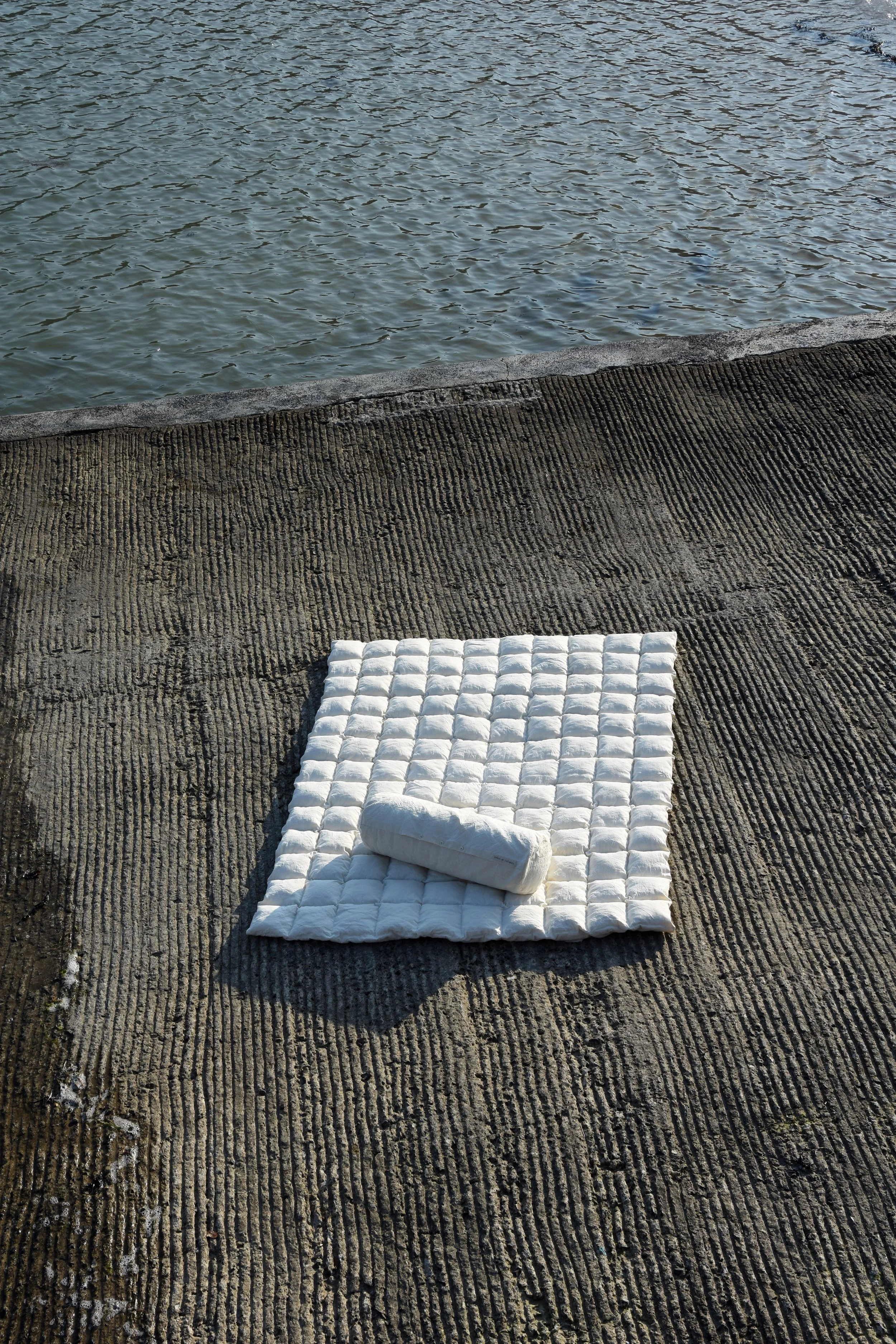
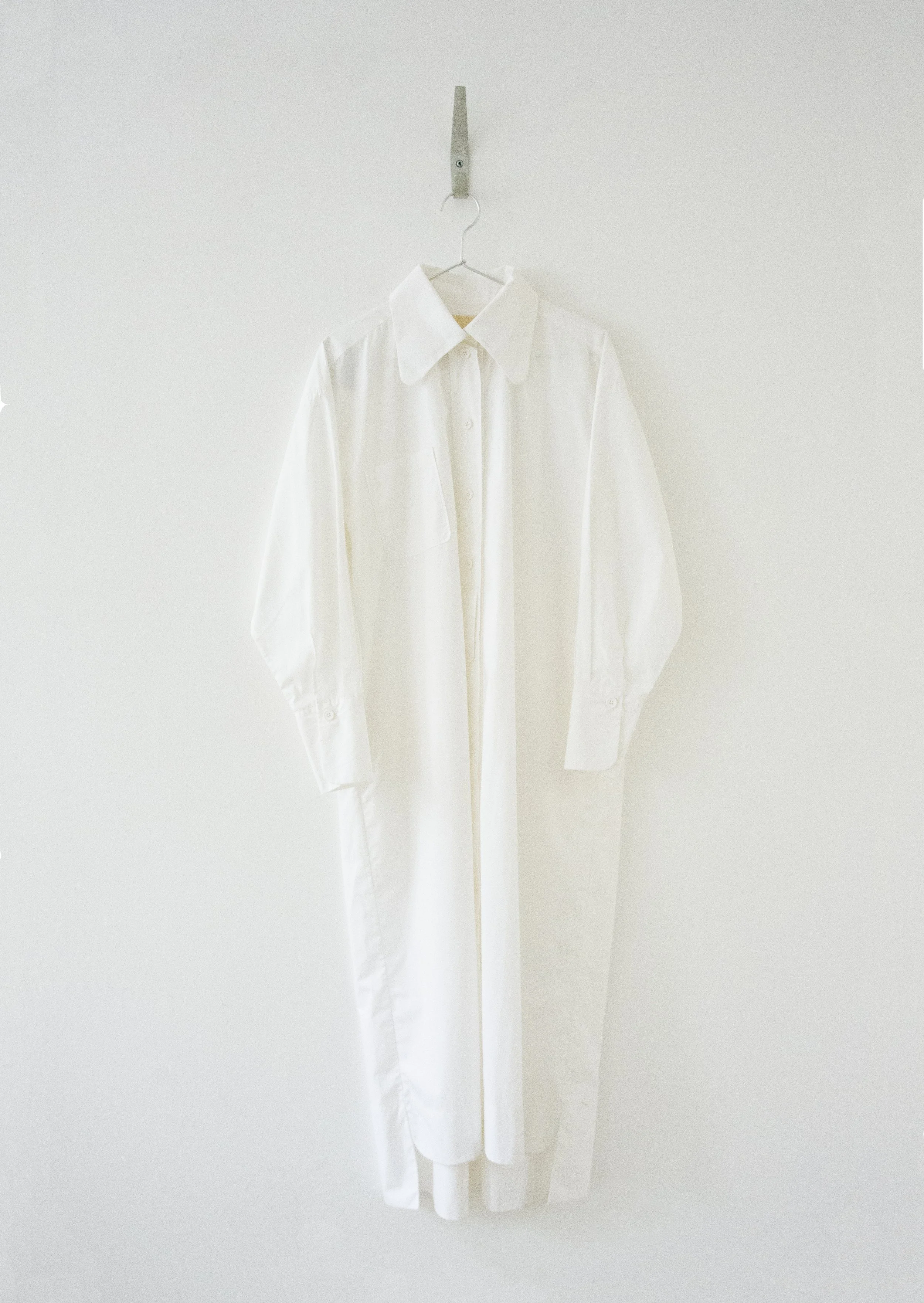
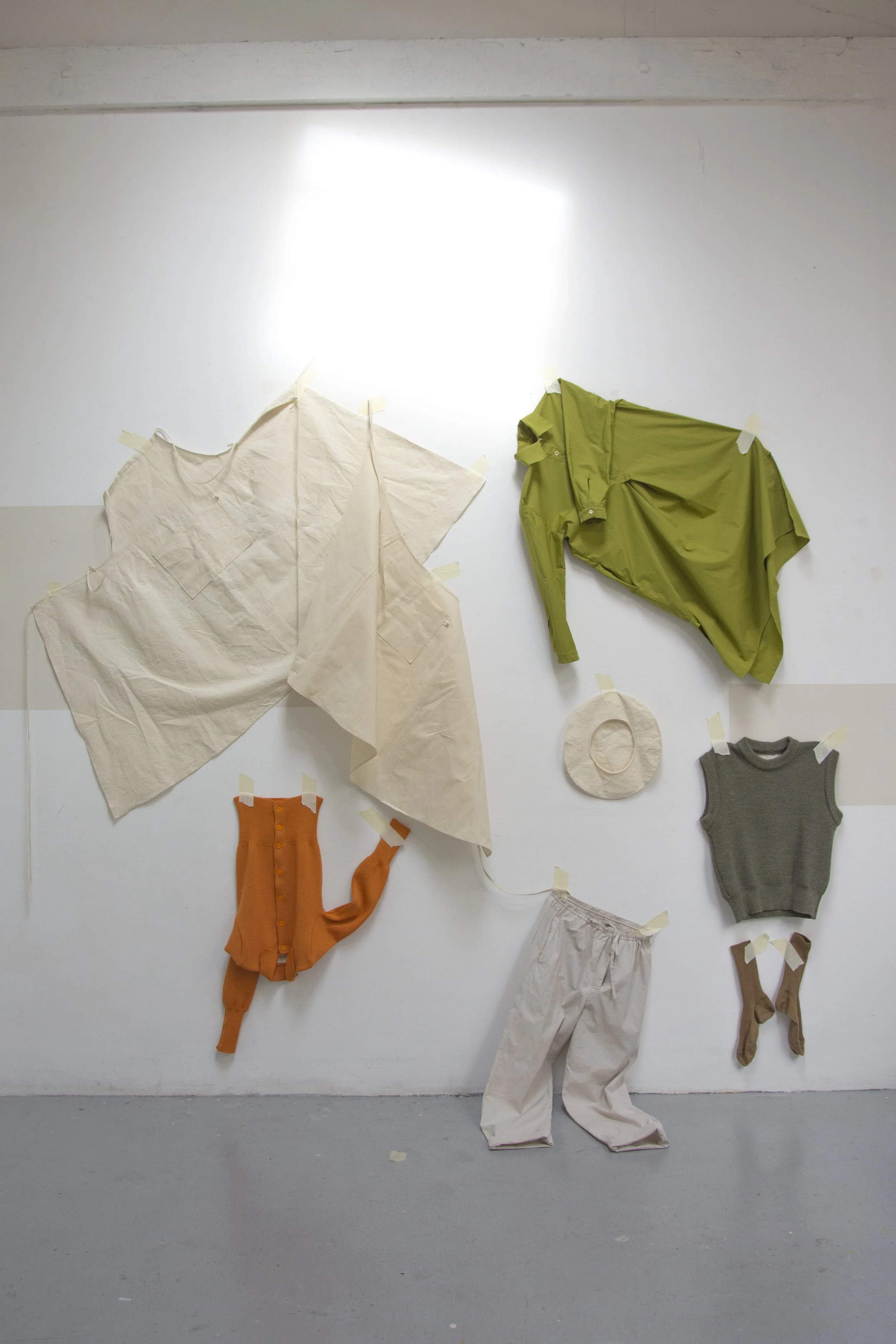
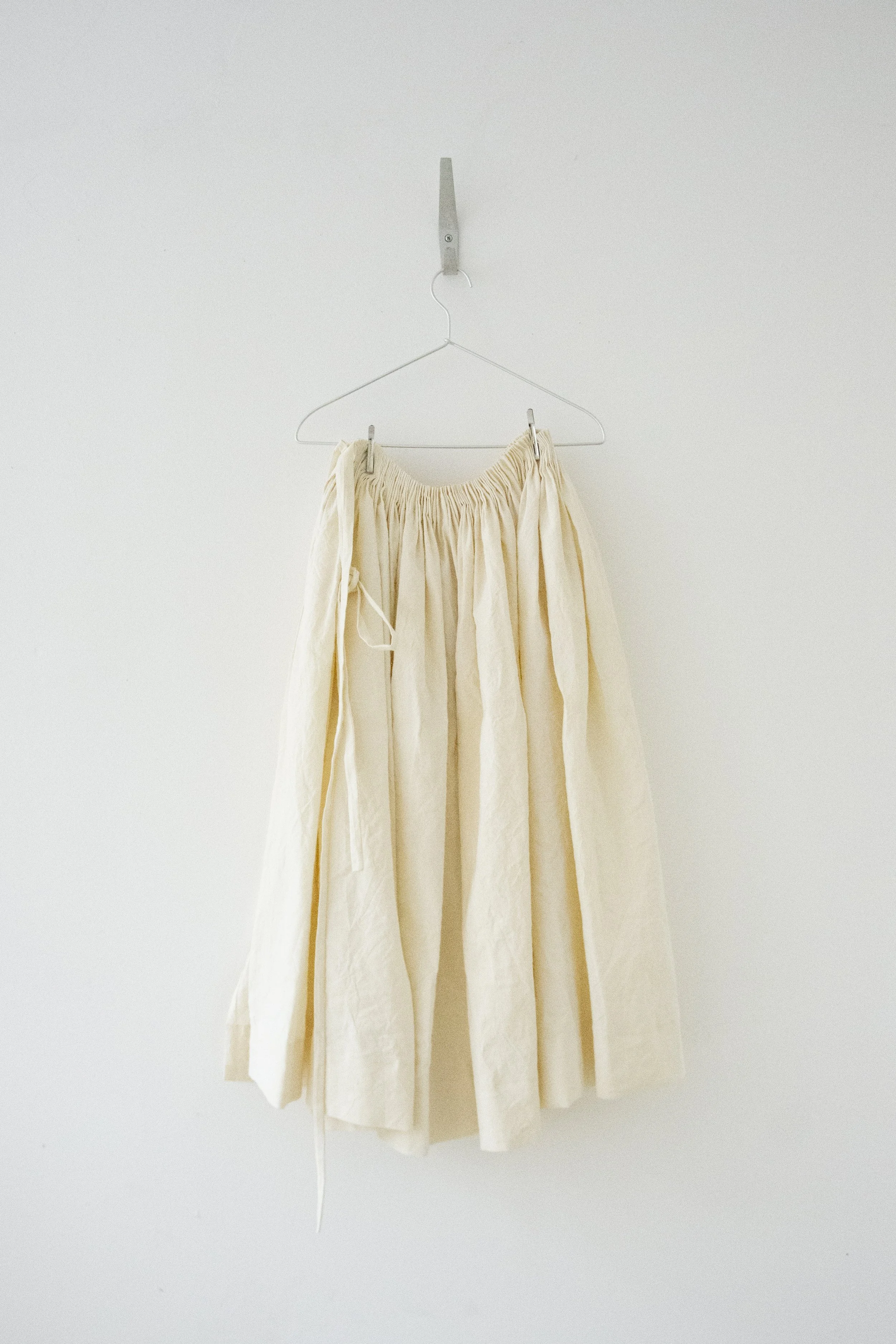
© tempestormcole, © Studio de Lostanges
#4 Packaging seems to play an important role in your work. What draws you to it, and (how) do you see it as part of the object?
The idea of archives is central to my work. I like to think that each creation becomes a new archive in the making. When I design a chair, for example, I imagine not only how it will be used over time but also how it can be archived.
Each piece is considered in three states: for use, for display, and as an archive. I include systems for hanging — hooks, eyelets, handles. For example, my chair made of four boards has holes so it can be hung on the wall.
I also think about how each object will be stored: in a box, bag, or pouch. These containers are labeled, numbered, and described.
Objects, clothes, and installations are therefore designed for spaces that are always changing, able to host different times and uses. Packaging is not separate from the object; it is part of its life and how it is preserved.
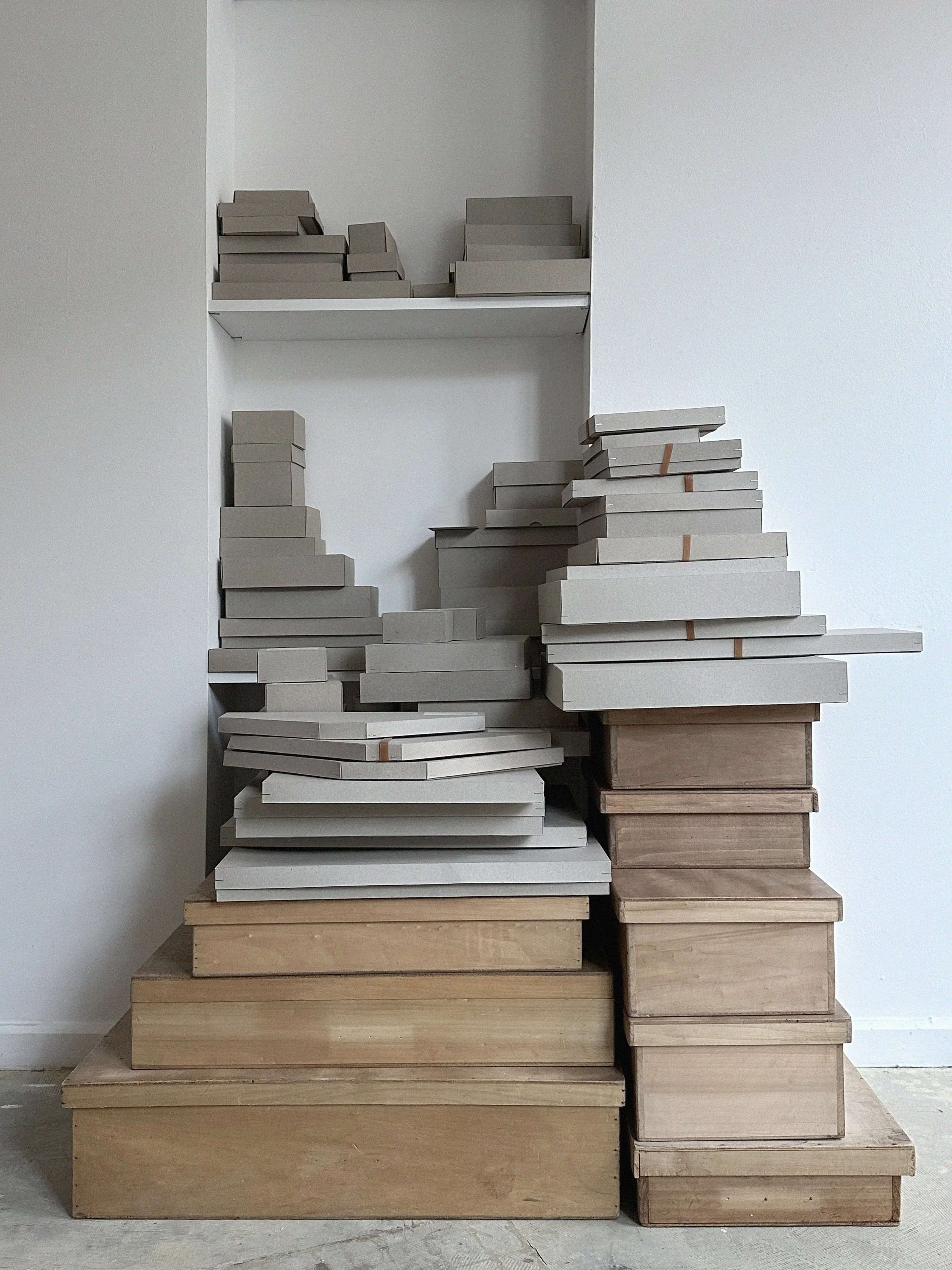
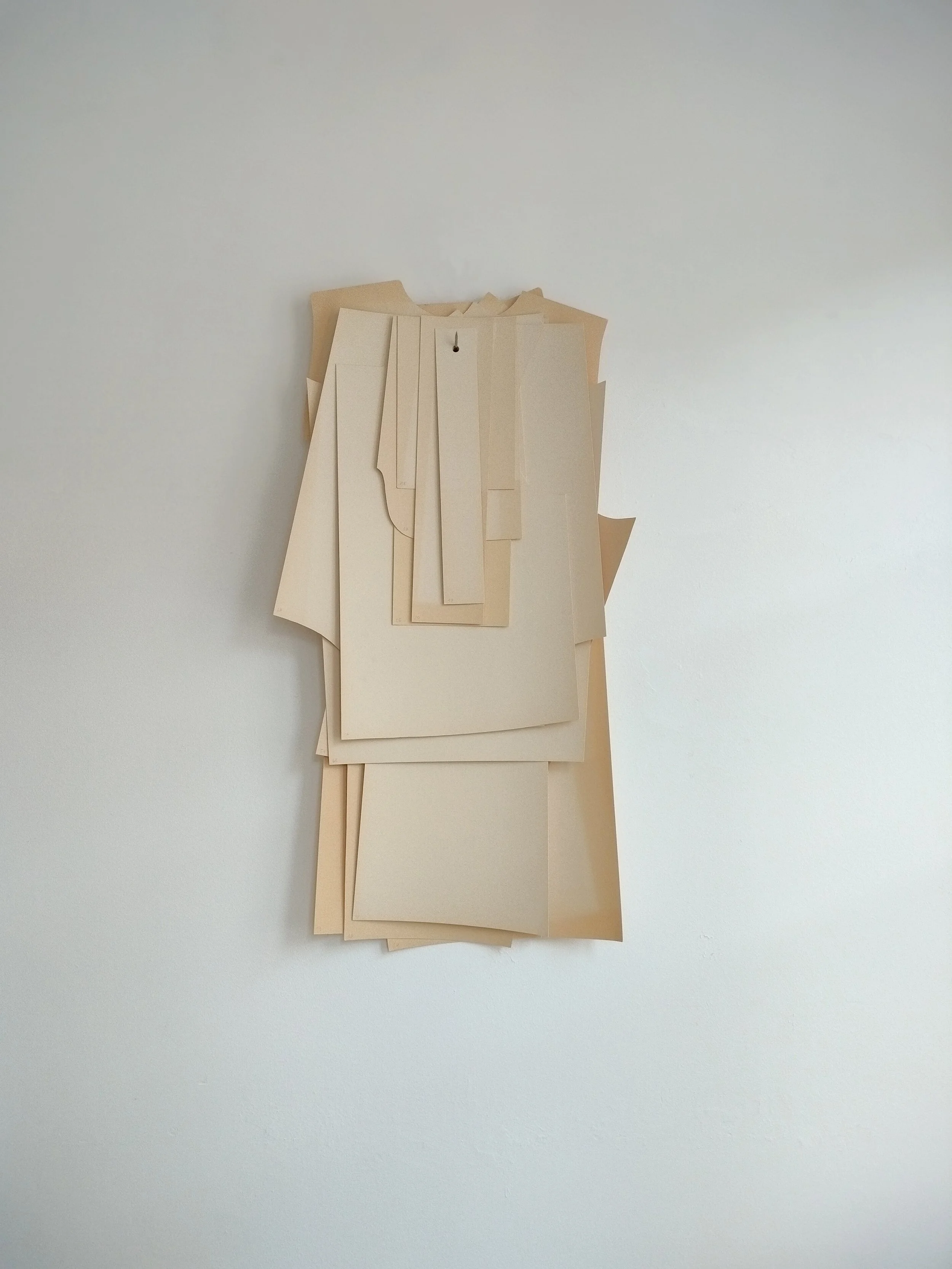
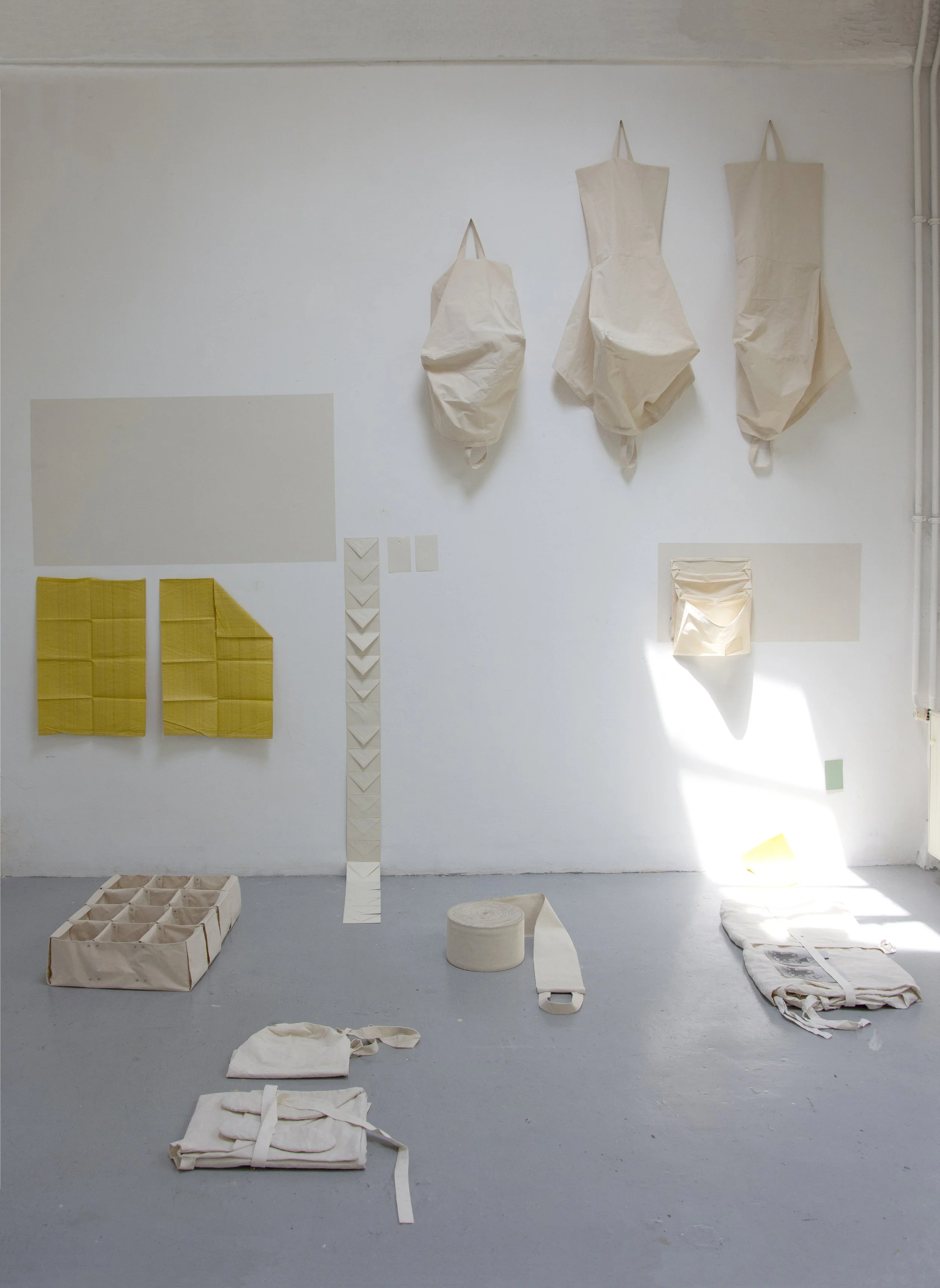
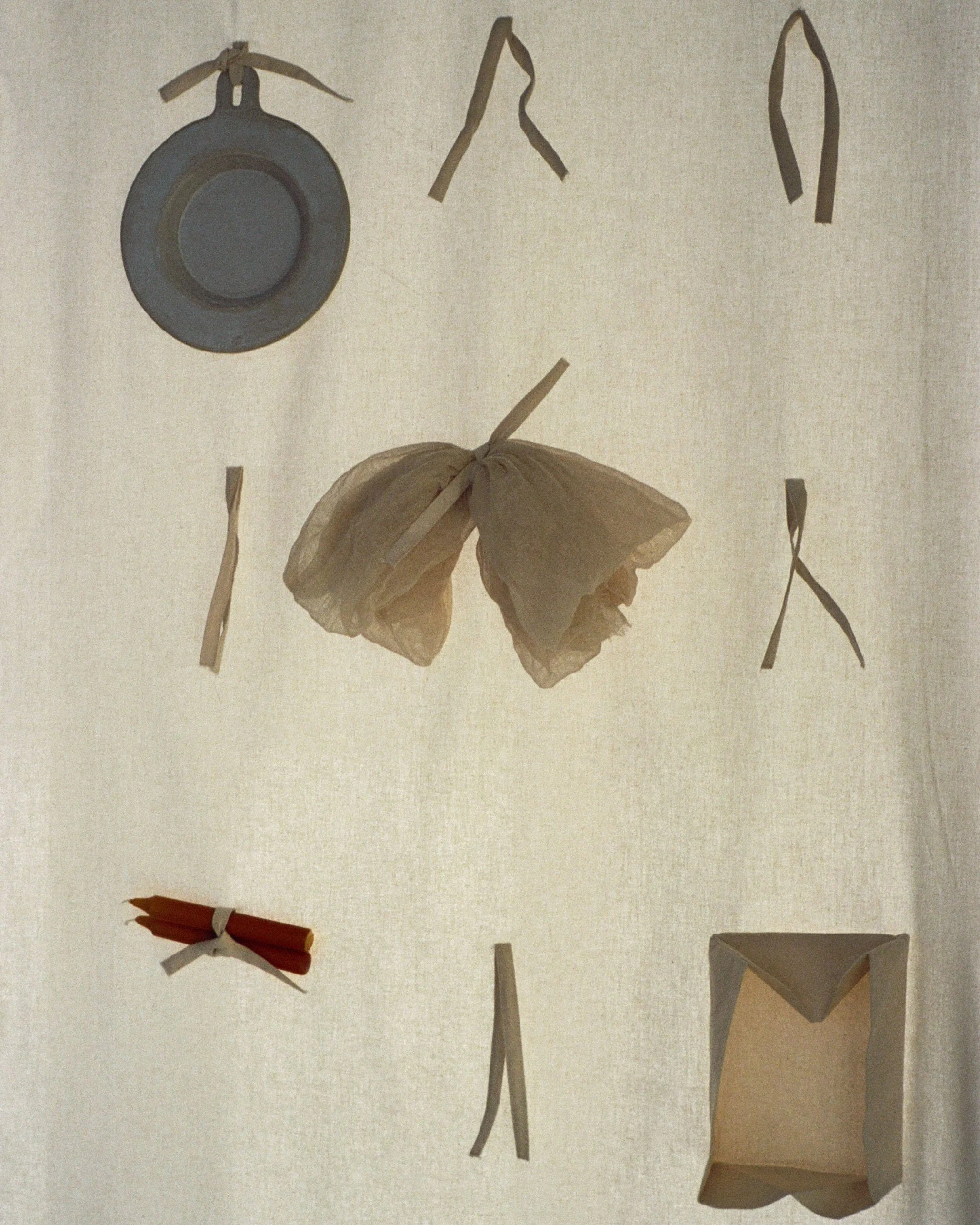
© Jeanne Tresvaux du Fraval
#5 Could you describe a typical day in your studio? How do you work, and how do ideas usually take shape?
Each project starts with a phase of research and drawing. Since I was a child, I have drawn a lot and filled many notebooks. I also write to clarify my ideas.
I make many models — in wood, cardboard, or canvas — with careful attention to handcraft. These models help me see the shapes and how they can be used before making prototypes. I then collaborate with different craftsmen, almost always nearby, because it is important for me tokeep a close eye on each project.
I try to plan weeks being focused on specific projects, both in Paris and Brittany. My Paris studio is mainly for objects and installations, while the Brittany studio is mostly for clothing. But in reality, everything mixes a little. Ideas often move between places and materials, and each day can bring new forms and directions.
#6 How do you see the role of an architect in today's society?
For me, the most meaningful architecture is sustainable architecture, which respects traces of the past while responding to contemporary needs and uses. In that point of view, an architect can be seen as both an historian and a sociologist.
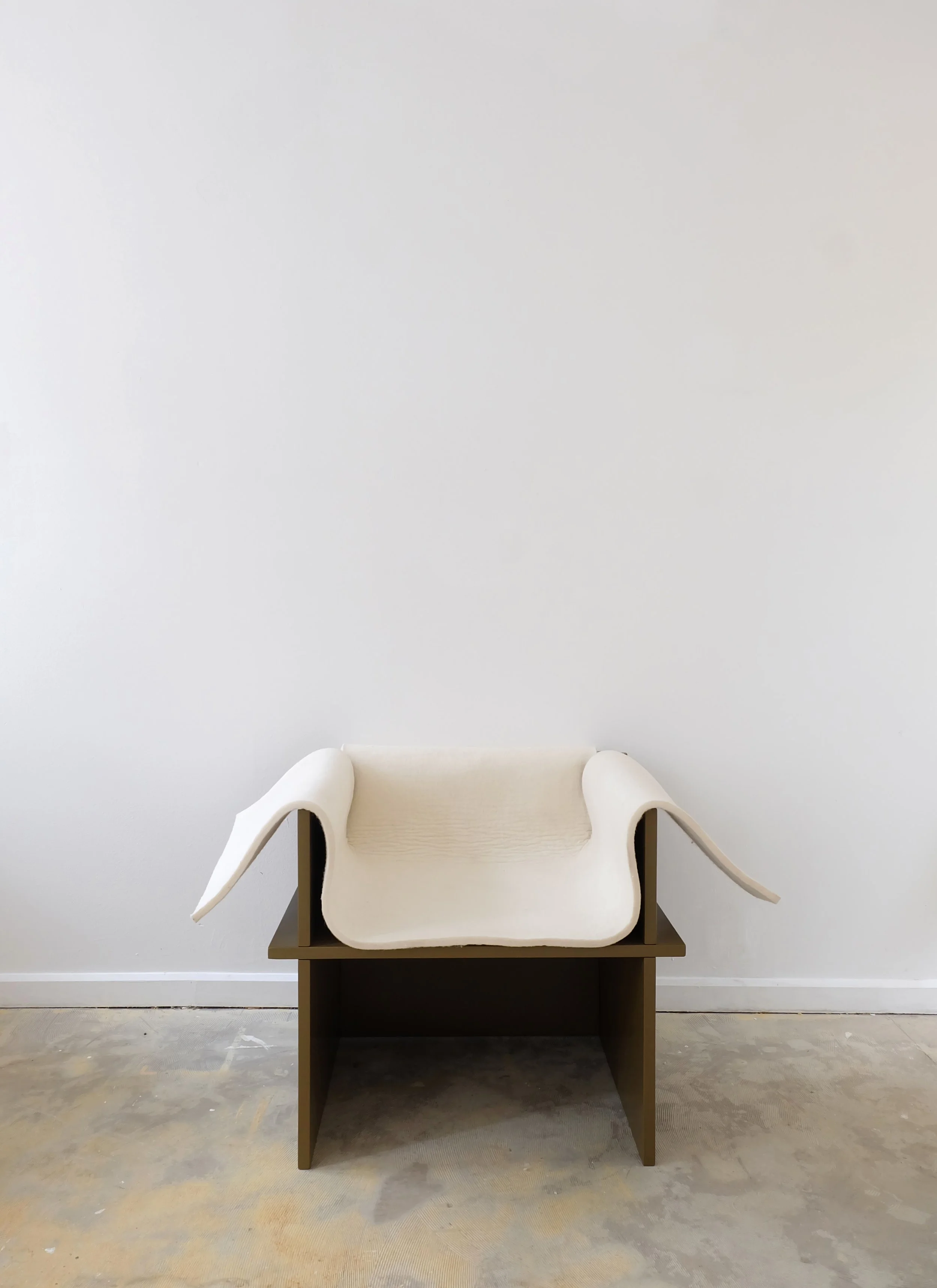
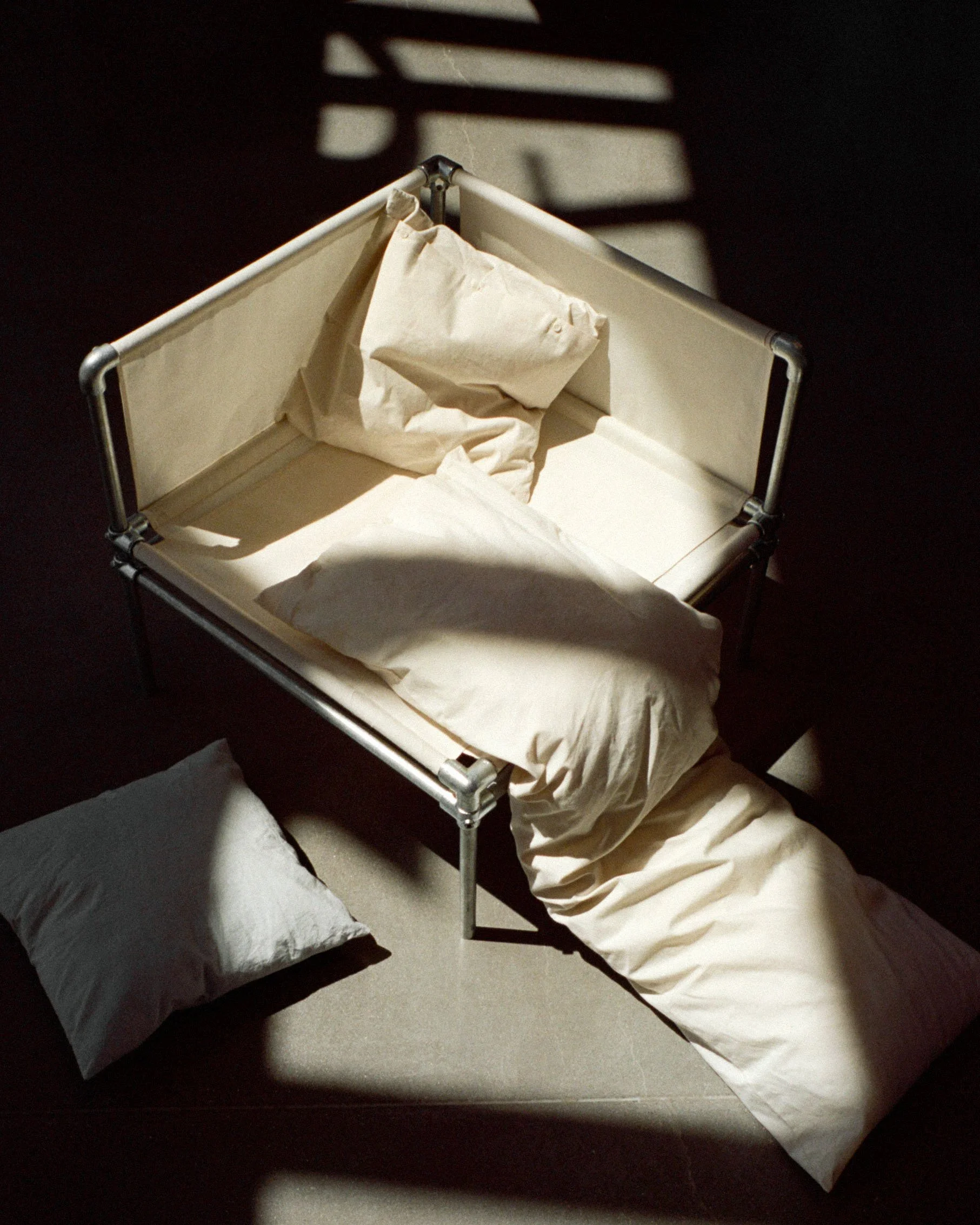
© Jeanne Tresvaux du Fraval, © angelemarignacserra
#7 How does your environment influence your work?
I need fairly neutral spaces, places where everything can still be invented. Light is very important: I work better in very bright environments. Part of my Paris studio faces north, and I especially like this constant light.
Also, living between two very different contexts — the countryside and the heart of Paris — nourishes my projects. Time, uses, and audiences change depending on the place. The question of territory is essential in my practice: each location has its own history, limitations, and resources, and these influence how I work.
#8 Three things that inspire you at the moment?
Old linen sails : Since this summer, after a sailing trip around the English islands, I have been fascinated by old linen sails. The techniques for assembling and repairing them are amazing. I am currently preparing an exhibition project about the idea of habitat in Brittany.
Traditional tables from Ouessant island : especially for its simplicity and adaptation to local constraints.
Self-sufficient lifestyles and circular economy : More broadly, I am very interested in self-sufficient lifestyles and circular economy systems, where everything is reused to avoid waste. You can see this in some farms or historically in abbeys. Every object and every food item is produced on site, and all trades coexist — from carpenter to farmer to tailor.
#9 What do you currently read, watch, listen to?
I am currently working on a project about habitat and daily life on the northern Brittany coast. I read many archives about seaside practices. I also discovered beautiful pre-war short films documenting maritime life and the daily routines of sailors.
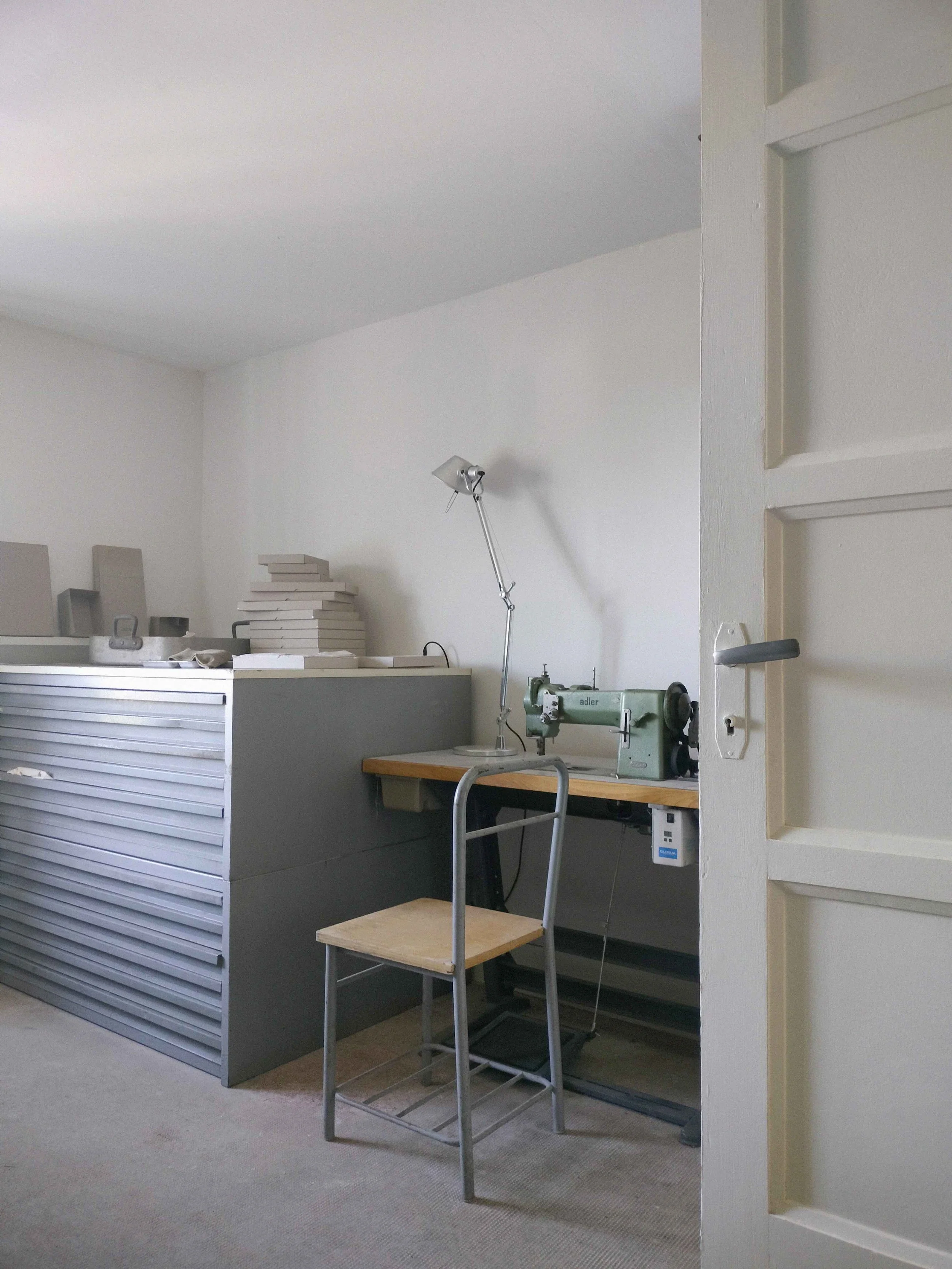
Atelier Brittany @ Jeanne Tresvaux du Fraval
Links
Website: tresvauxdufraval.fr
Instagram: @jeanne.tresvaux.du.fraval
@studiodelostanges
Interview by Caroline Schulz