
Jord Lindelauf
Jord, please introduce yourself:
I’m Jord Lindelauf, an architect and designer based in Brussels. My work focuses on refined objects and interiors that balance function and perception. I am particularly drawn to honest materials and processes, creating pieces that quietly inhabit a space rather than demand attention.
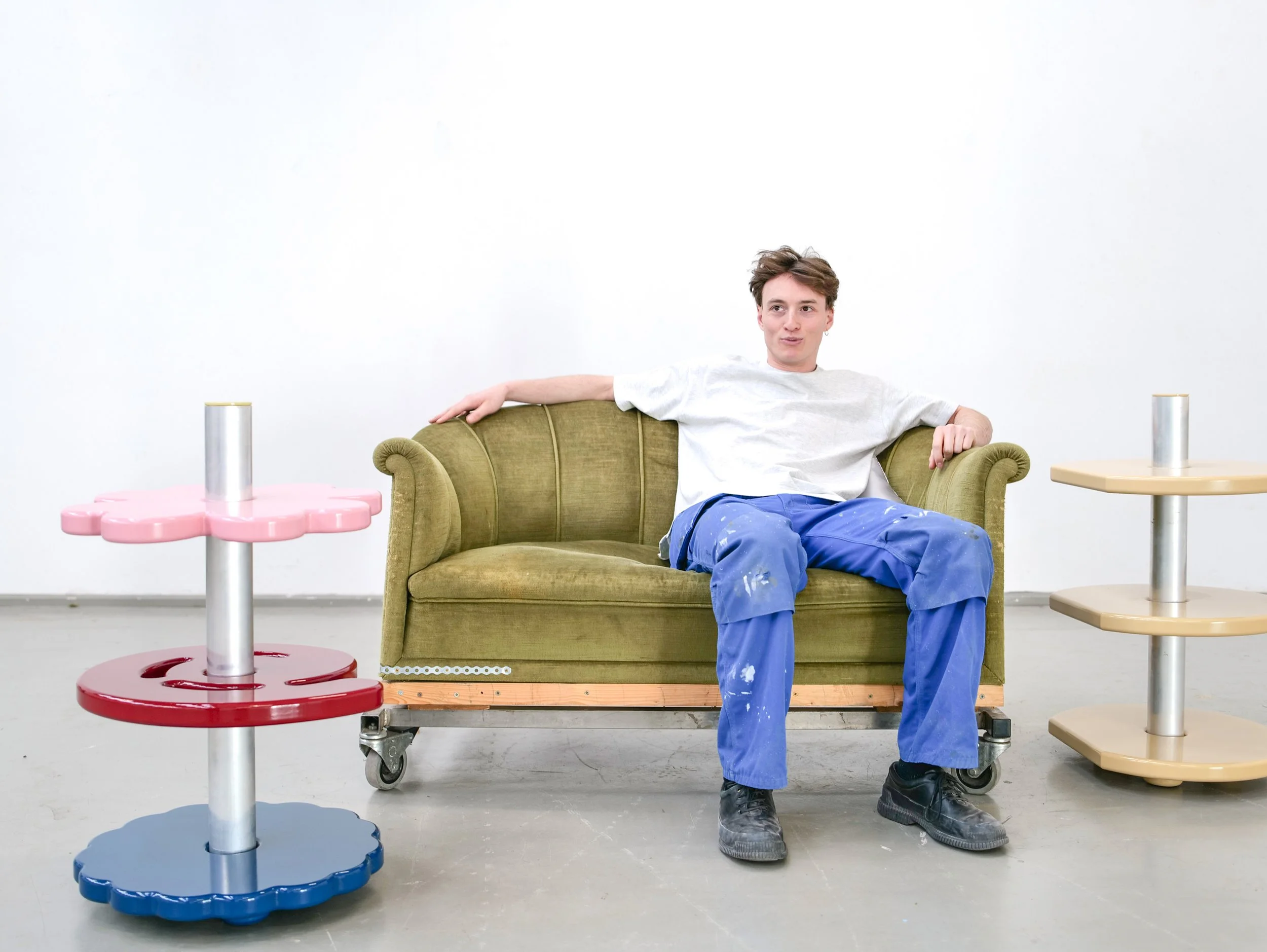
© Selena Malfait
#1 What is your educational background, and how did your path into your current practice unfold?
I studied architecture at Hasselt University, and pursued my master’s degree during an exchange in Hong Kong. I graduated in 2020, at the height of the COVID pandemic. In 2021 I enrolled in an additional year of furniture design in Mechelen. Unfortunately, this intensive programme, normally combining practice, theory, and study trips, was heavily restricted to online classes and small, socially distanced seminars.
I had initially hoped to study scenography in London or Helsinki, but due to the ongoing pandemic, I decided to enter the professional field instead. I moved to Brussels to begin my mandatory two-year internship as an architect. After some time at Erased Studio and taking on a few furniture commissions, I found my place at A2O Architects.
Today, I combine my work there with running my own design practice, focusing on unique interiors and creating objects and furniture that reflect my personal vision.
#2 “It’s ALL about U” centers on self-reflection—how did working with polished aluminum influence the way the mirror reflects and frames its surroundings?
The ALL U collection originated from the material itself. Raw aluminum has a very intriguing quality; it reflects its surroundings in a subtle, almost elusive way. I often describe it as dreamlike, or even as a distorted perception of reality.
Knowing that aluminum, like all metals, can be polished to become highly reflective sparked a deeper line of thought. I began to see an analogy between the material and life itself. We all construct an image of who we are or who we aspire to be and project that to the world around us.
The ALL U collection reflects this duality. One side remains raw and ambiguous, leaving space for interpretation, while the other is polished and direct, confronting you with a clear, unfiltered reflection of yourself.
Polishing aluminum is a demanding process, it oxidizes quickly, and its reflective quality gradually fades. That inherent impermanence, however, is precisely where I find its beauty.
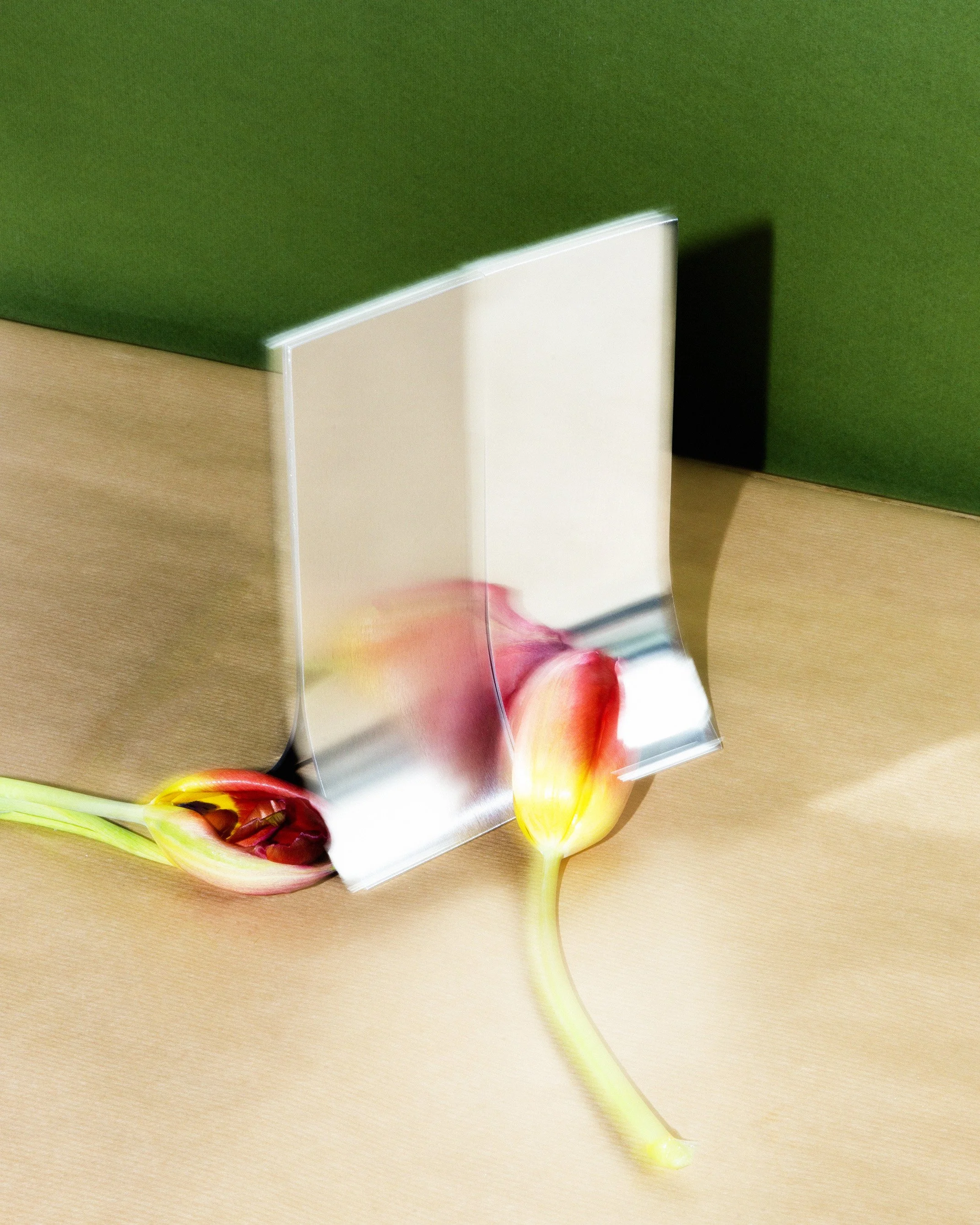
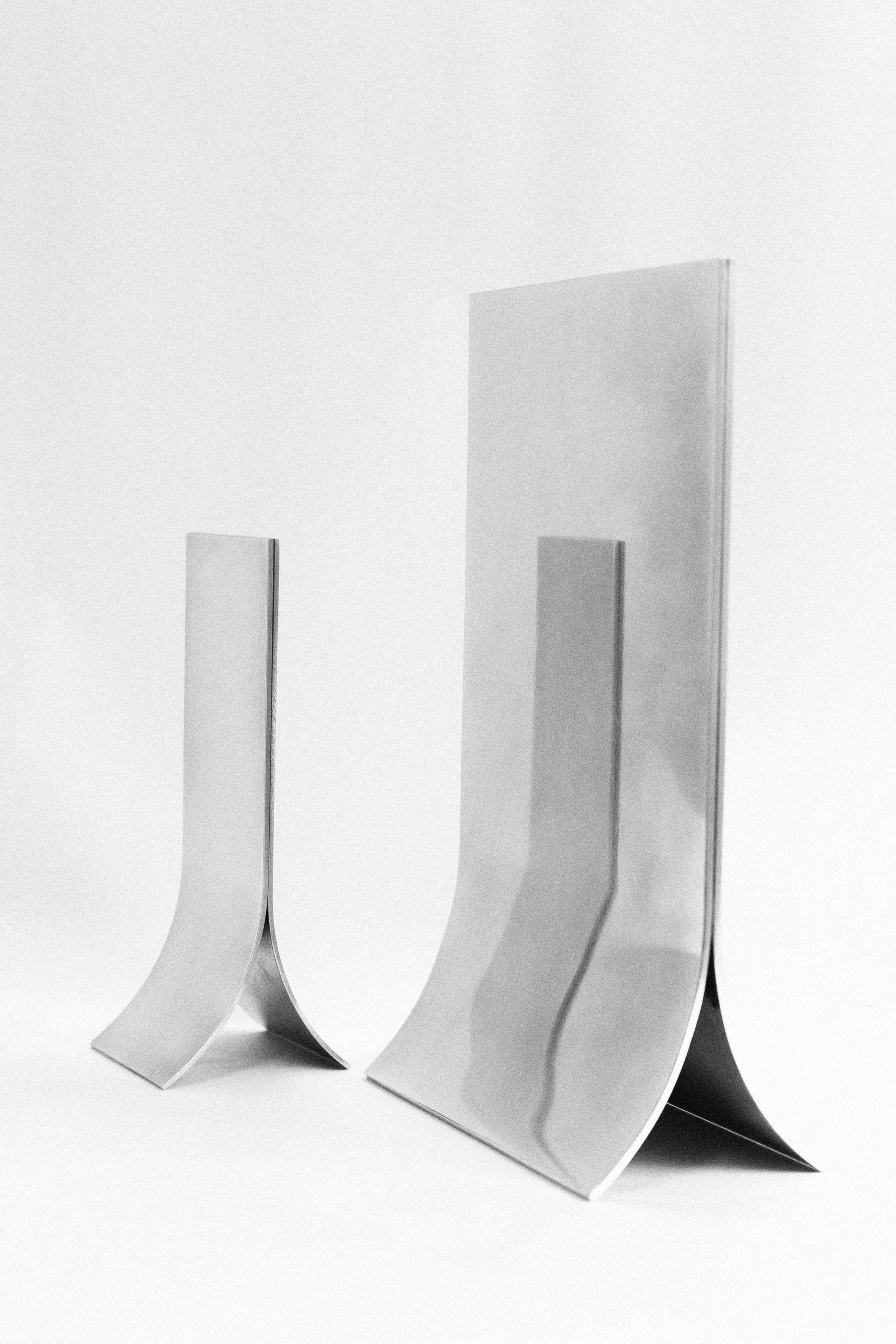
ALL U, © Leen Hoogmartens
#3 With Plunge, the vase becomes almost secondary to what it holds—how did you approach designing an object that deliberately puts the focus on the flowers rather than itself?
Polished metal remains one of my favorite materials to work with. By introducing a second element, being the flowers, I wanted to create a dialogue in which the end user plays an active role. They ultimately determine what is reflected and how the object is experienced.
While I had developed a certain familiarity with metal, I knew very little about flowers. I reached out to Leen Hoogmartens, a photographer and floral artist I had previously collaborated with on the ALL U series. During that shoot, she had already introduced flowers in a very intuitive and artistic way, so the connection felt natural.
Together, we defined the parameters the vase needed to meet, based on her expertise in floral composition. From there, the design process flowed quite organically. The final edition was limited to 44 pieces, which have since all sold out.
#4 Across your projects, there seems to be a careful balance between object and perception—what role does this relationship play in how you approach design?
In my work, I only design what I feel I could make myself. While I collaborate with skilled craftsmen and outsource certain processes, the material research and prototyping are always done by me. This allows me to fully understand the object and refine it where necessary.
That approach results in a certain honesty and simplicity. I deliberately avoid overly complex details or unnecessary additions, partly out of preference, but also because I value clarity in both making and outcome.
My process is strongly rooted in my architectural background. Every project starts in two dimensions: plans, sections, and elevations. Only afterwards do I move towards perspective sketches and 3D models. It may seem somewhat old-school, but it’s how I was trained.
From that search for the most essential solution, a certain perception and narrative naturally emerge. Ultimately, I want my objects to be present and functional, without being loud or overly dominant.
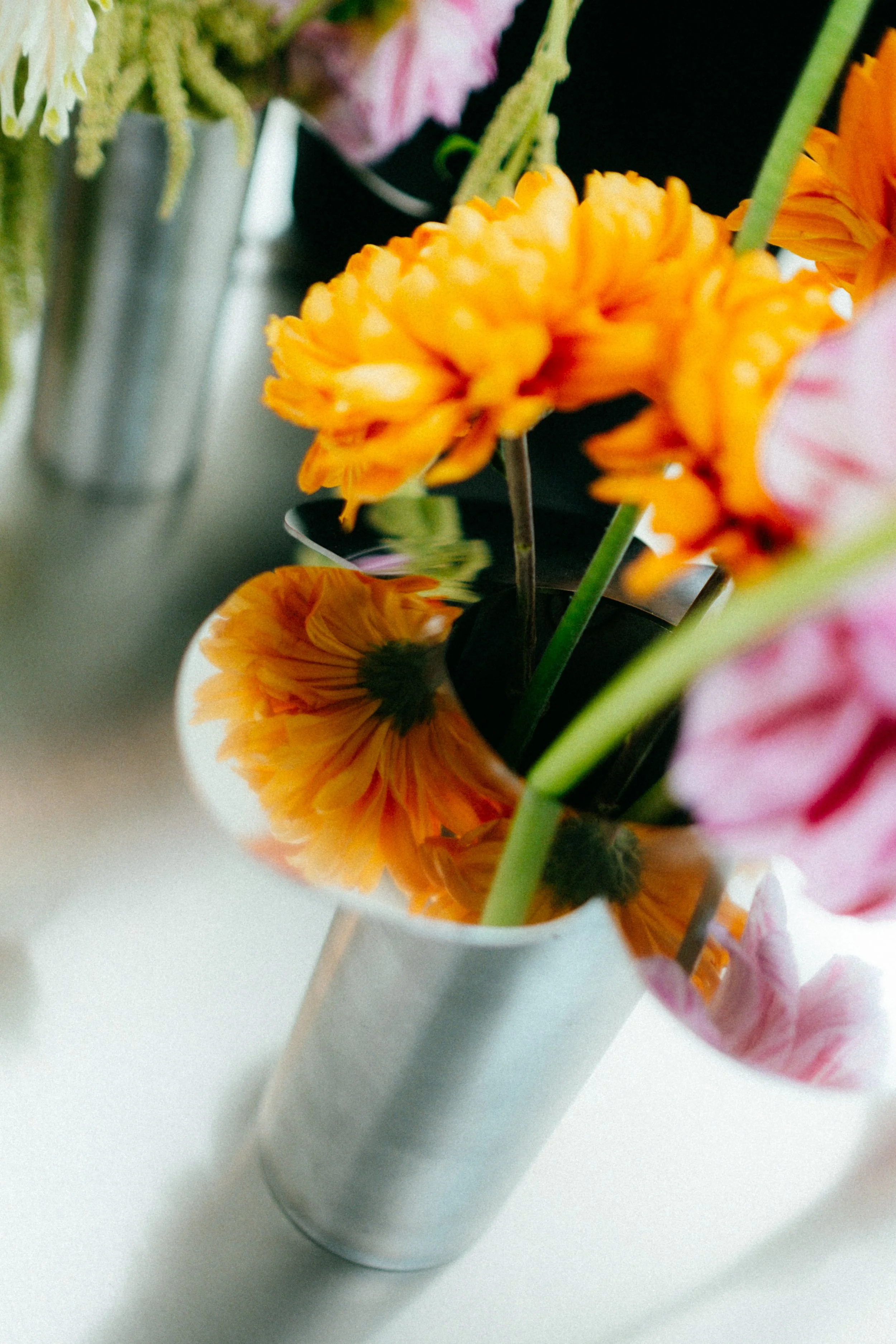
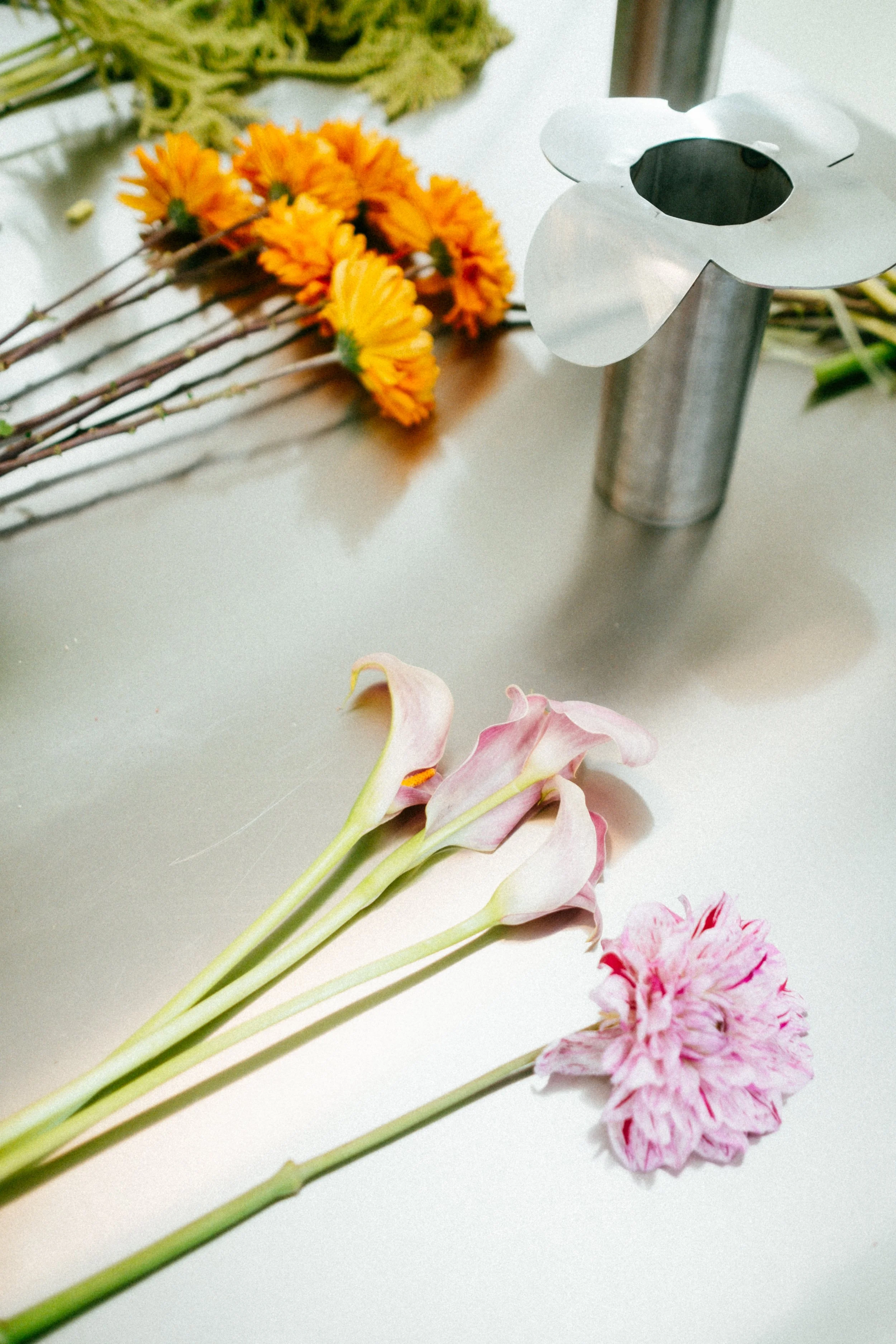
Plunge, © Jonas Reubens
#5 You recently exhibited at Collectible. What did you choose to present there, and how does it relate to your current practice?
This was the second time we presented at Collectible with FULL CIRCLE, a collective consisting of Pablo Octavio, Lucas Zito, Obscure Objects, Maximilian Beck, NOSTUDIO, and myself. Together, we curate and present our individual work within a shared context.
Following last year’s premiere of the 808 collection, this edition introduced an extension: two smaller consoles derived from the original shelving system. The focus remained on the modular logic of the system: horizontal planes that appear to float, yet are subtly anchored to vertical supports.
At the same time, I explored new forms and colors in collaboration with my cousin Lindert Steegen, with whom I share a studio in Brussels. As a graphic and spatial designer, he has increasingly influenced my work, and vice versa.
The piece we developed together serves as a proof of concept for the system’s flexibility. Moving forward, I see strong potential in developing more made-to-measure pieces, tailored to specific contexts and commissions.
#6 What’s next for you? Are there any ideas, collaborations, or directions you’re particularly excited to explore?
Recently, I’ve collaborated with fashion houses and boutiques such as 11PM and STIJL. I notice that my objects resonate well in these environments, where people actively engage with them. That interaction is something I want to continue exploring.
A more ambitious dream would be to collaborate with one of the emerging Belgian names in fashion industry.
I’m also finalizing my first complete interior project of a private house, together with my sister, who is also an architect. Once completed, I’ll be able to share it. The process has been incredibly learning, and I would ideally like to take on one such detailed project each year.
In June, I will participate in 3 Days of Design in Copenhagen, thanks to MAD Brussels and Belgium is Design, which I’m very much looking forward to.
After nearly four years of continuously building my network and practice, I feel the need to slow down slightly, taking time to reflect and recalibrate. Rather than forcing opportunities, I’m curious to see what comes my way. I also expect to further develop my existing collections, rather than immediately starting something entirely new.
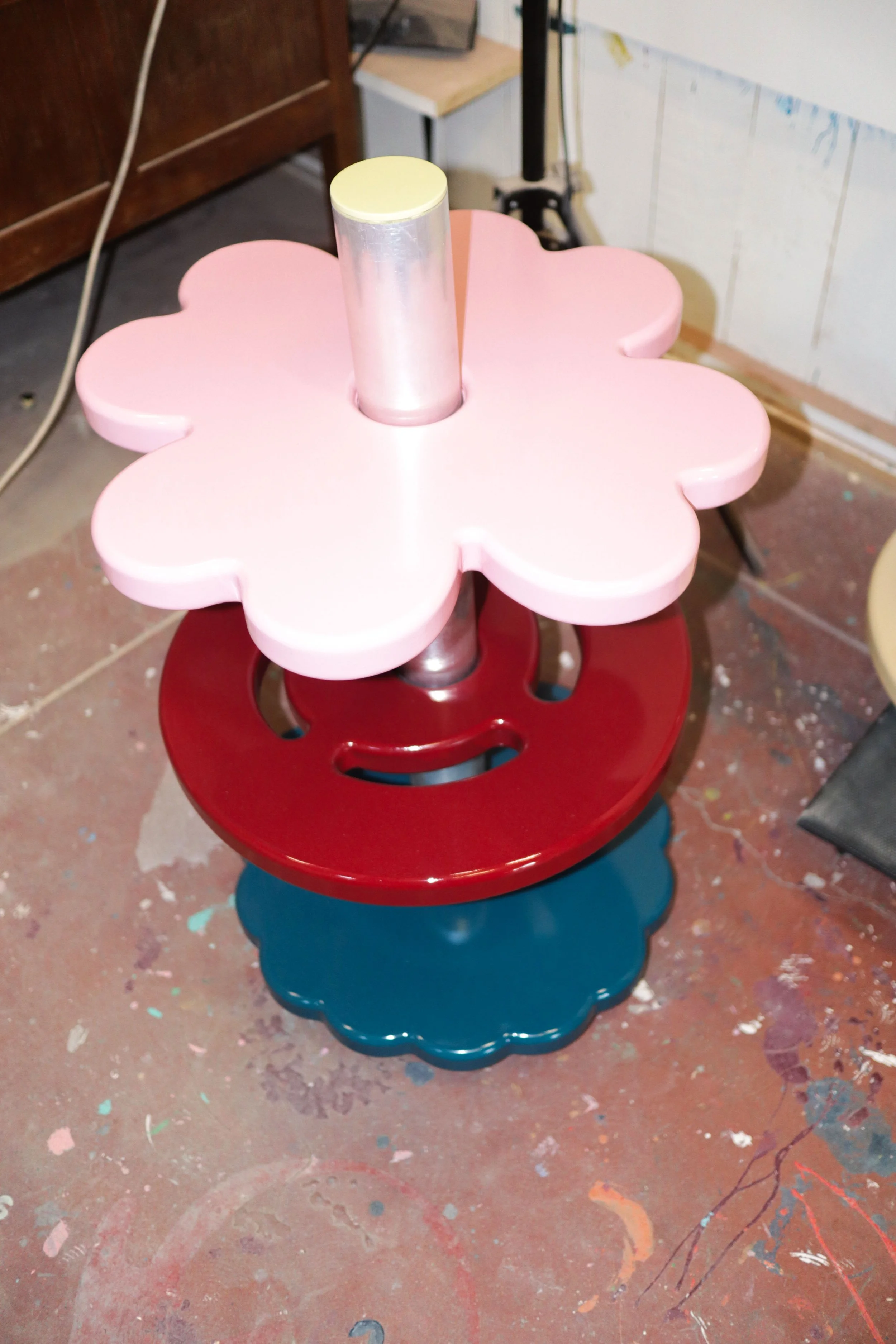
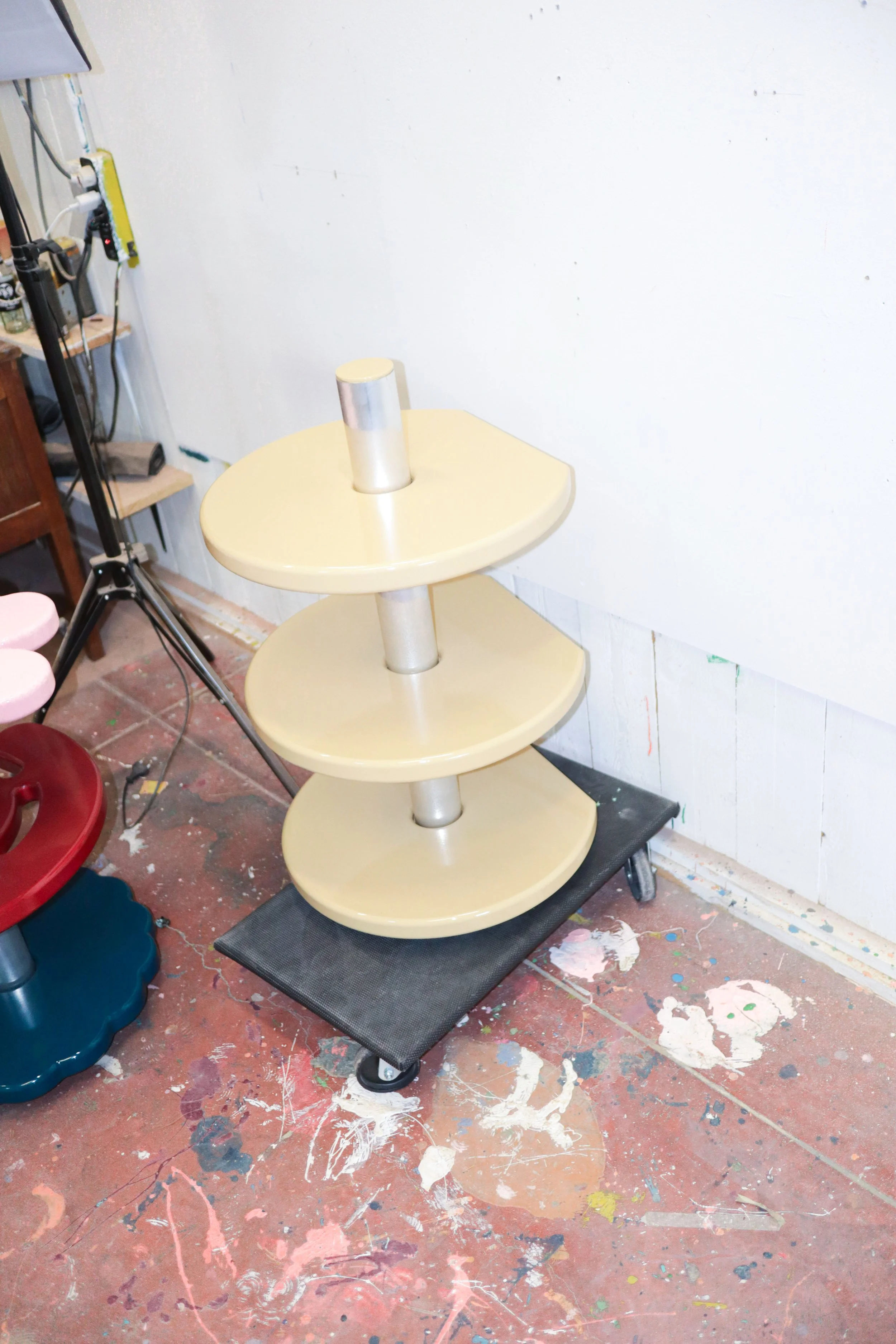
808, © Jord Lindelauf
#7 How do you see the role of an architect in today's society?
I come from a family of architects. Both my father and older sister share the profession. Growing up, I witnessed the practice up close. My father’s office was located on the ground floor of our home, where clients would come to discuss their future houses. Meanwhile, I played with LEGO on discarded plans I found in the bin.
When I started my own studies, I had already closely followed my sister’s education. I was fascinated by the models and drawings she produced.
Today, however, the role of the architect has expanded significantly. From my experience, an architect has become something of a creative mediator, aligning different stakeholders, anticipating problems, and finding solutions.
At the same time, the role is burdened with increasing administrative responsibilities. While I understand the necessity of regulations, I believe too much of this weight is placed on architects, particularly in Belgium. This is further emphasized by the structural underpayment within the sector. I hope to see a meaningful reform of the profession in the near future.
#8 How does your environment influence your work?
I draw inspiration from everyday life, things I encounter in the street, or in public spaces in and around buildings. These areas often go unnoticed, yet they carry almost always a certain quality.
I regularly browse through old interior books and magazines that belonged to my father, and I enjoy watching films, both old and new. I often catch myself, while watching a movie, focusing on the interiors and furniture within specific scenes. They are carefully composed and contribute to a larger narrative, which I find very inspiring.
I also like visiting museums, not only for the exhibitions, but equally for the architecture, the seating, and, of course, the museum shops.
#9 Three things that inspire you at the moment?
Was the hardest question of them all. :) 1980s Mercedes-Benz, Christophe Gevers
#10 What do you currently read, watch, listen to?
At the moment, I’m reading two books. “Arm Brussel” by Geert van Istendael, a classic essay exploring the raw reality, hyper-diversity, and inequalities of the city. And “Wachten, een levenshouding” (2025) by psychiatrist Dirk De Wachter, which advocates for slowing down in an increasingly fast-paced world.
The latter, in particular, reframes waiting as an active and meaningful state, rather than a passive one. Both books strongly influence how I currently position myself, both in life and in my work.
In terms of music, I mainly listen to jazz. Recently, I discovered British pianist and cellist Raffy Bushman.
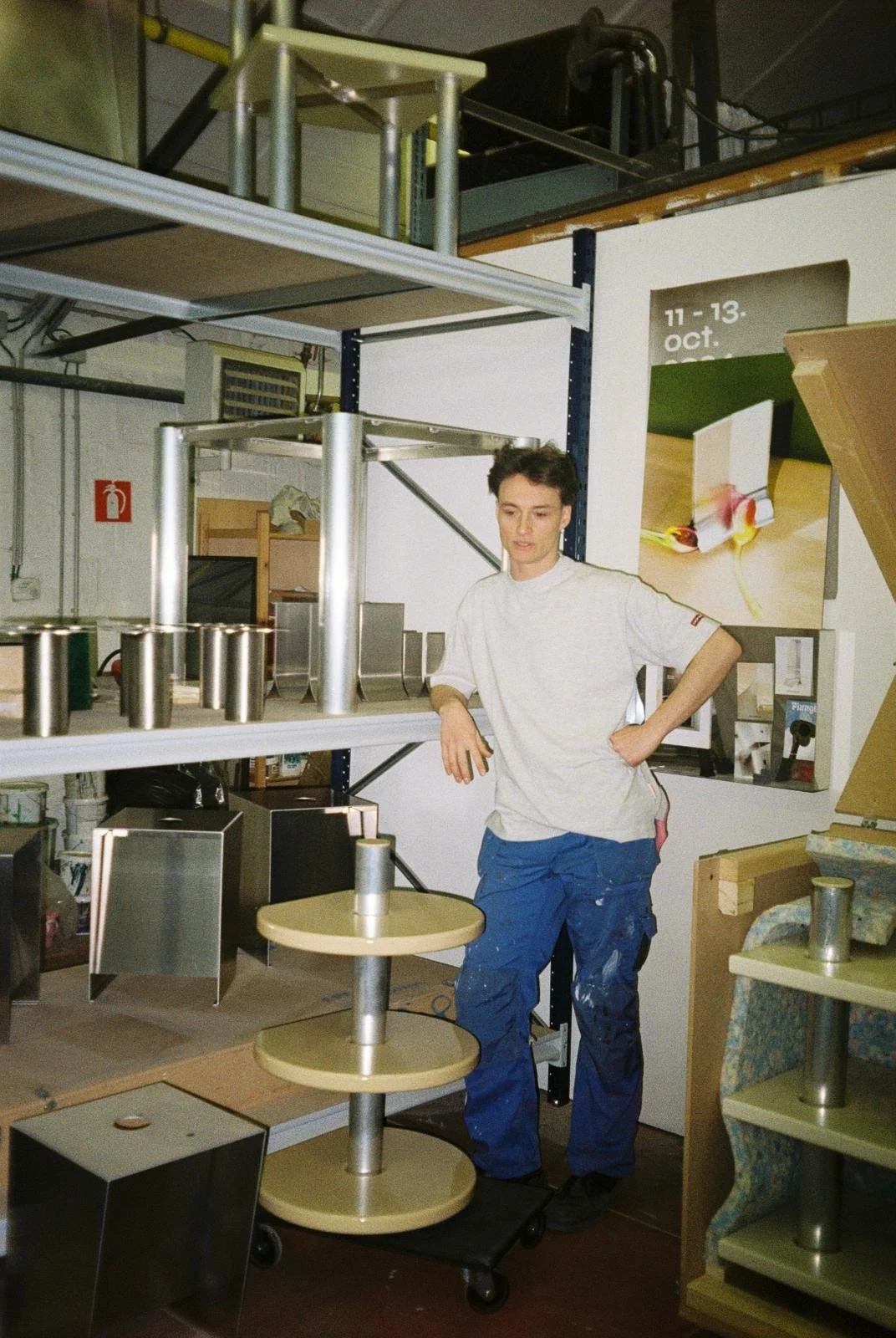
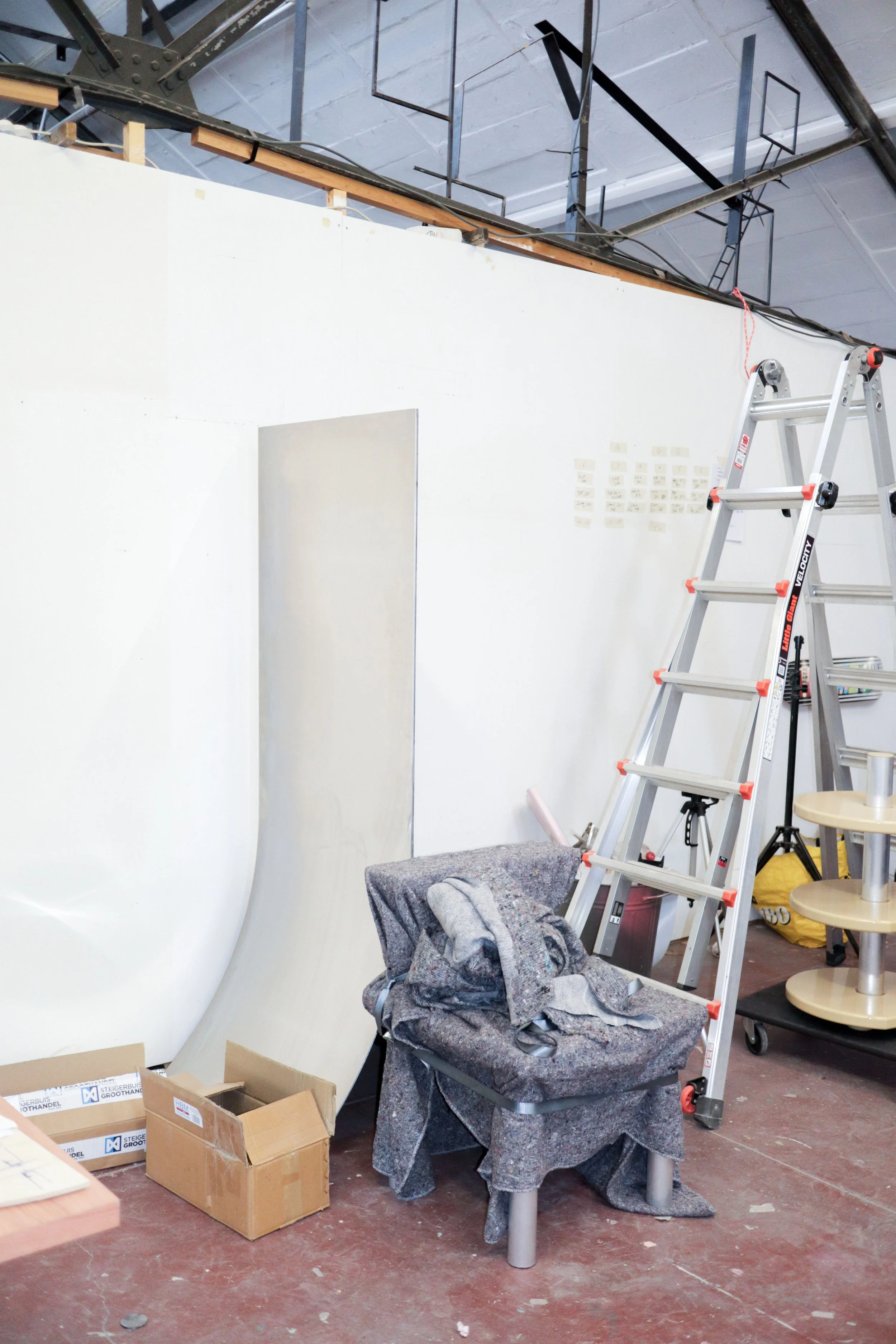
Left: © Selena Malfait, Right: © Jord Lindelauf
Links
Website: jordlindelauf.com
Instagram: @jord.lindelauf
Interview by Caroline Schulz